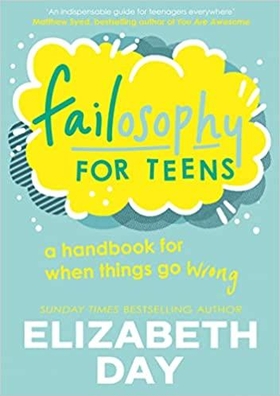
Failosophy: a handbook for when things go wrong
by Elizabeth Day
Interest age: 12 to 14
Reading age: 10+
Published by Farshore, 2023
About this book
Despite the title having the word ‘fail’ in it, this is an incredibly positive book. Exploring the concept that failing makes you stronger, and aimed at teenagers, though relevant to all, the content is useful and clear.
The author acknowledges that it’s OK to have feelings about failure. After all, we are living in an age where we strive for perfection in every area. This is encouraged by social media, which promises that if you’re successful enough, you will be rich and happy, and conversely, if you’re beautiful and rich enough, you will be successful. How can anyone win?
The answer is that your perception of failure depends on how you view success – and you can reframe that. Ignore what the wider world is saying. If you’re always trying to please others, can you really be yourself?
The book is divided into various chapters to dip into: the seven principles of failure; what to do when life throws you a curveball; what does failure teach you about success; does failosophy actually work?; and finally a celebration of failures. Inspirational quotes from famous people and diagrams and illustrations throughout give added clarity to the sensible, calm advice.
Written by the award-winning author and podcaster Elizabeth Day, this is a sensible, kind and practical tool for all teenagers (and adults!) everywhere.
More books like this
-
The Awesome Power of Sleep
by Nicola Morgan
11 to 14 years
-
Am I Normal Yet?
by Holly Bourne
11 to 14 years
-
Scientists Making a Difference
by Dr Shini Somara, illustrated by Adam Allsuch Boardman
11 to 14 years
-
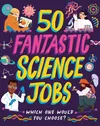
50 Fantastic Science Jobs
by Tom Jackson
9 to 14 years
Lists of recommended reads
-
Books to encourage resilience for ages 8 and above
All children face changes and transitions in their lives, and sometimes more challenging circumstances too. This mixture of excellent fiction and non-fiction titles has been chosen to show readers that there can be a path through tough times.
-
Non-fiction books to help teens understand the world around them
Non-fiction books can be a great tool to help teenagers explore and investigate problems in their lives and around the world. These fantastic books explore the issues facing young people today - from the demonization of the working class to gang culture to sexuality, while others help explain how the world has ended up where it has.
-
Books on wellbeing for teens
Teenagers sometimes need guidance, whether they want to admit it or not. Fiction is a subtle way to show them characters in similar situations, while non-fiction is more direct in offering suggestions and advice. This list is a combination of the two, for when they might benefit from an objective viewpoint.