Author Sarah Ann Juckes explores how fiction can provide the language for feelings.
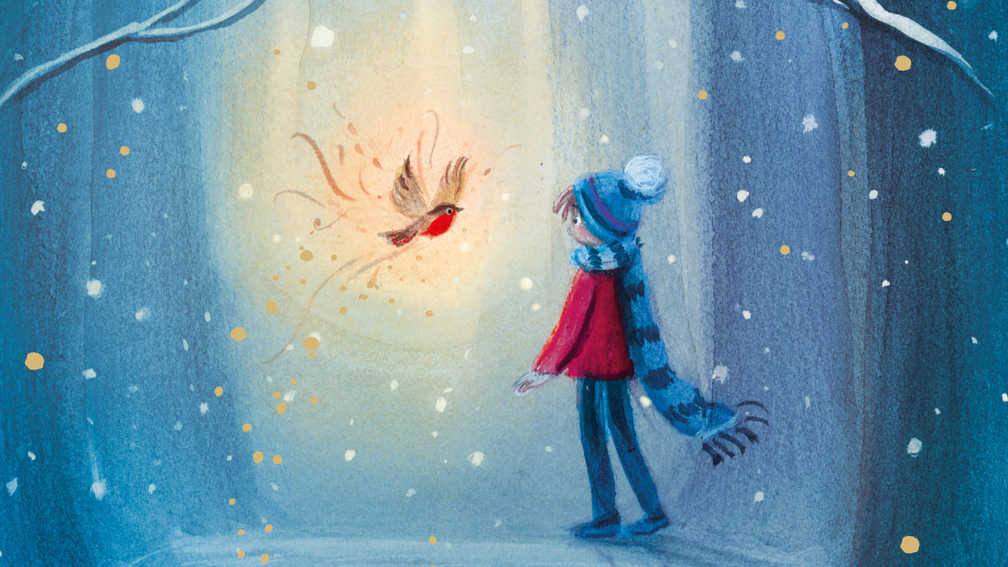
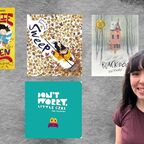
A detail from the cover of Robin, by Sarah Ann Juckes
Sarah Ann Juckes
Isn’t it funny how some memories will just stick with you?
I have one very clear memory I often talk about when I’m discussing emotion in children. I’m around eleven years old. My dad has been telling me off about something – no doubt the state of my bedroom, or how many episodes of The Simpsons I’d watched that day. I was upset and slumped so far down the sofa that my heels were tucked under me, my chin on my chest.
And then, my dad bent down in front of me to clear the table.
I still remember the feeling. Anger. Caught in my chest and as frantic as a fly in a spiderweb. But I didn’t know what to do with such a big feeling, so I pulled my legs back and kicked my dad. Almost in slow-motion, he fell over the coffee table and onto the floor (sorry, Dad).
As an adult, I can name every one of those emotions. Anger at being told off. Injustice, as I thought I was in the right. And then sticky guilt, embarrassment and regret when I realised what I’d just done. (NOTE: he was okay – he actually saw the funny side if I remember correctly!)
It has taken me years of feeling a lot of feelings to get to the point where I can understand my emotions, and even longer to give myself grace when the particularly nasty ones creep up (hello, guilt). But it’s important to remember that children are still at the beginning of this journey. For them, emotions may still feel frantic, sticky and occasionally too huge to handle.
Books as a safe space
As with all ‘Big Things’, stories offer children a safe space to navigate and name emotions. They also create a shared language for parents, teachers and librarians to have discussions with children about complex emotions. By using a fictional character and situation, important conversations can be had without forcing a child to put words to their own feelings until they are ready to do so.
In my novel Robin, eleven-year-old Eddie has been pushing down his emotions, because he has fallen into the trap many of us do, in thinking that bad feelings mean he is a bad person. He wants to be a good big brother, as his parents so often praise him for being. But with his sister going in for her next big operation, he feels frightened that something bad might happen. He feels anxious that his actions might affect the outcome. And – biggest of all – he feels jealousy that throughout this, his sister remains so authentically herself, when he feels more and more invisible every day.
Eddie’s Uncle John suggests he tells some of these secrets to the ancient oaks in the forest opposite his house, where Eddie is staying during his sister’s operation. With every emotion Eddie names, he becomes a little less invisible. A robin helps him re-discover his voice, and friends he meets along the way show him that it’s okay to be himself – even if that means breaking some of the rules he has imposed upon himself.
The power of naming emotions
It is a theme I often discuss in my books for children of this age, as it’s such an important one. Feelings need to be named and shared in order to be managed. It’s a key message from my time as a volunteer for the NSPCC, when I would tour schools to help empower children to speak out to stay safe. It’s a message I think we all need to hear, at any age. Bottling up our problems only turns them into monsters. But it’s important to remember that feelings aren’t always bad – sometimes they’re just powerful.
For young readers, it is my hope that Eddie’s journey in the book gives them a set of words to use if ever they find themselves feeling invisible, like Eddie does. It’s my hope that they too can feel the confidence to let their emotions fly (well before they push their dad over a table).
This poetic, allegorical tale takes a hard look at the reality of living with a chronically ill sibling and how it affects family dynamics, with both seen and unseen consequences.
While books have the power to transport us to far-off lands and wild adventures, they also help us to look inward; to explore feelings and emotions in a safe, non-pressurised way. Reading about characters’ experiences helps children reflect on their own feelings, develop empathy, feel represented, and be reminded that they are not alone in feeling the way that they do.
At BookTrust we know how comforting and useful it can be to read about a character going through a similar experience to you. We asked Polly Ho-Yen to share some of her favourite books about overcoming fears.
More than half of children in the UK are brought up outside the nuclear family, so we really do need more picture books to show the lived experience of many. Author Lucy Reynolds celebrates some of the very best…