Enrichment through reading: DFE Enrichment Framework 2026
We share our insights into the DFE’s new Enrichment framework, demonstrating how reading can be a vital ingredient in enrichment provision.
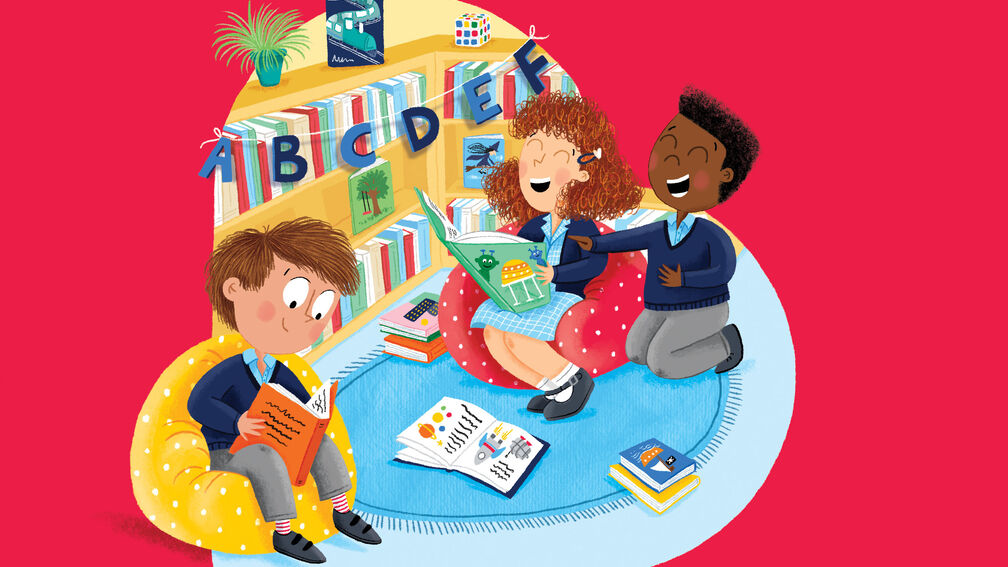
Illustration copyright © Aysha Awwad
What is enrichment?
Enrichment encompasses a wide range of opportunities offered in school beyond the core curriculum. These may be ‘co-curricular’ activities (linked to the curriculum) or ‘extra-curricular’ activities that develop additional skills, knowledge and interests. Enrichment activities can take place within timetabled lessons or beyond them – whether before or after school, or during lunch.
These include sports, performing arts, hobby groups, subject-based clubs, creative arts, volunteering, and uniformed groups such as Scouts, Guides, or Cadets. Schools provide enrichment to broaden children’s experiences and help them develop a wide range of skills.
What is the new enrichment framework about?
In 2025, the Government committed to making enrichment a new national focus, recognising its value for children’s development, wellbeing and future skills. Participation in extracurricular activities is also linked to stronger academic outcomes (1), (2), (3).
The DfE’s 2026 enrichment framework provides non-statutory guidance for schools in England to support them to plan, strengthen and review their enrichment offer.
Schools are encouraged to evaluate their enrichment offering against 8 benchmarks as laid out in the DFE’s Enrichment benchmarks document.
A key indicator of a successful enrichment offer is that it enables children to access a range of activities across the following categories: nature, outdoors and adventure; sport and physical activities and developing wider life and future skills.
Ofsted will review schools’ enrichment provision as part of its routine inspections, and additional funding will support the most deprived schools.
How reading supports your school’s enrichment activities
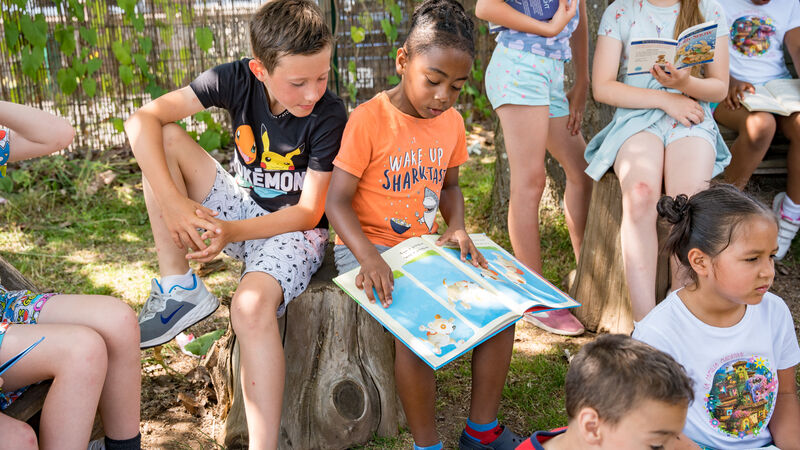
Reading aligns strongly with the vision of the new enrichment framework, which emphasises the importance of children’s wider experiences in supporting learning and development.
While reading remains central to the core curriculum, the framework highlights opportunities to embed reading across the broader school experience, strengthening its well-evidenced benefits for children’s learning, wellbeing and life chances (4).
Reading is a versatile activity and can help schools meet enrichment expectations across multiple categories. Although closely linked to the Framework’s arts and culture category, it also supports other areas: for example, civic engagement by building critical thinking, and nature and adventure by sparking curiosity and imagination.
Why include reading in your enrichment activity?
Reading enrichment gives children relaxed opportunities to explore and discuss books.
What the evidence says: Having space for informal book talk helps children emotionally connect more strongly with texts and peers (5) and having choice over what they read is highly motivating (6).
Reading for pleasure is a strong predictor of educational progress. Embedding reading in clubs, projects or shared events helps pupils become reflective, curious and resilient learners.
What the evidence says: A BookTrust and the Open University review highlights that children who read regularly for pleasure are more motivated to learn and achieve higher attainment across the curriculum (7).
Enrichment creates socially rich reading experiences, for example through peer recommendations, book talk and school-wide events.
What the evidence says: These social reading experiences foster a sense of belonging, help to solidify friendships (8), and motivate children to read (9).
Engaging with inclusive and diverse books strengthens self-esteem, identity and empathy by exposing pupils to a range of perspectives. It also supports wellbeing (10).
What the evidence says: Stories help children connect their feelings to wider life experiences, strengthening their understanding of how to navigate relationships and their role within a school community (11). Research also shows that children most engaged in reading are three times more likely to report higher wellbeing (12).
How to embed reading into the new enrichment framework
There are a number of different ways to bring reading into your school’s enrichment activities. These might be centred around explicit reading activities or incorporated into wider activities.
Explicit reading enrichment activities
Well-run book clubs stimulate enrichment and literacy in a positive, peer-driven environment. We have broken down the steps to running a high-quality book club here.
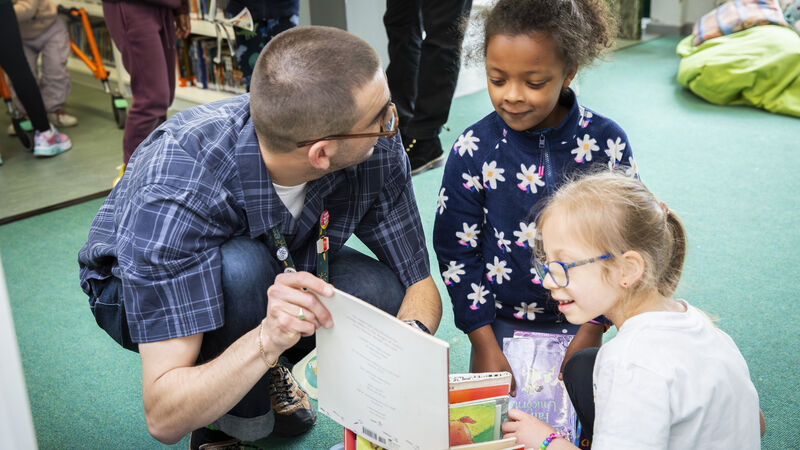
Bring reading to life for children by providing opportunities for them to engage first-hand with a diverse range of authors and illustrators. This could involve external trips or visits from creatives.
Our BookTrust Represents Virtual Author Visits bring incredible authors into your classrooms for free.

Some of the upcoming BookTrust Represents Virtual Author visits
Whole school initiatives could include reading challenges, fundraising drives or partnered reading and book recommendations across year groups. Kiran Satti shares more tips here.
Our Bookbuzz Primary programme creates opportunities for enriching book talk and social reading experiences.
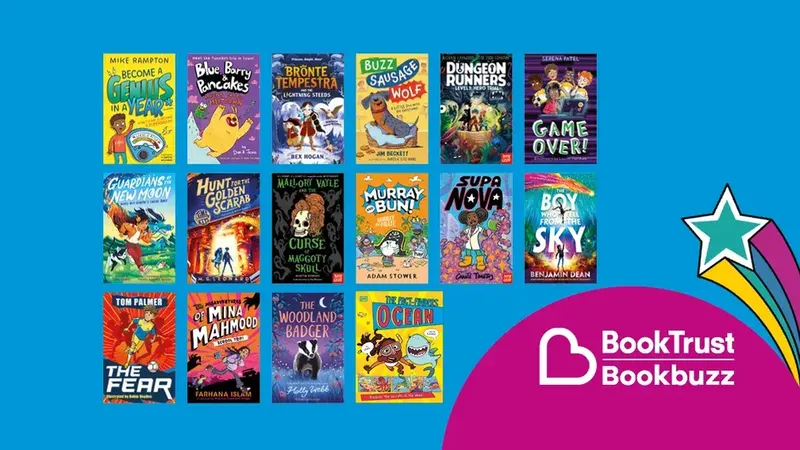
This year’s Bookbuzz Primary books
Offering the opportunity to read, write, and illustrate comics is a hugely popular way to provide enrichment opportunities and boost reading engagement.
This step-by-step guide on running a comics club demonstrates how this kind of activity can extend beyond the classroom and across the enrichment categories.

Illustration copyright © Emily Kimbell
Incorporating reading into wider enrichment activities
Delivering immersive, cross-curricular thematic sequences of lessons based around high quality texts can lead to enrichment across all categories.
Get children outdoors as they re-enact active books like We’re Going on a Bear Hunt or have them cook a fun recipe following engagement with a historical narrative like Hunt For the Golden Scarab.
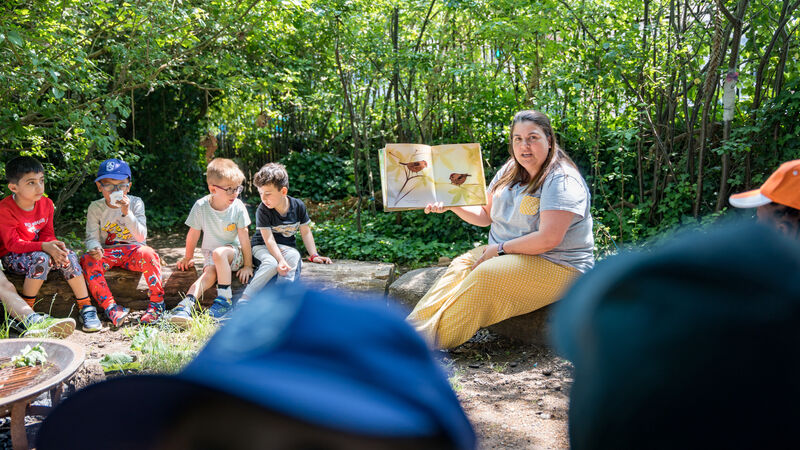
Enhance existing enrichment activities by incorporating relevant non-fiction.
You could involve books about sporting heroes like Score Like a Striker in team training, match books to children’s passions to empower and nurture their curiosity, or encourage connections with the world around them through great STEM books like Big Bad Wolf Investigates: Fairy Tales.

Illustration copyright © Sandhya Prabhat
Child-led projects are deeply enriching and contribute to life skills while boosting confidence, communication and self-esteem.
Reading can be a supportive tool in this area: books like Nature Heroes could highlight issues for a school parliament to grapple with, and amazing biographies like Dance of Resistance could inspire children to engage with new artistic or creative endeavours in drama or music.

Author Phil Earle runs a book club performance
Reading across the school community is enriching in terms of civic and cultural engagement.
Invite members of your community to share books with children at dedicated events. Discover some practical examples.

Author Jeffrey Boakye visits a school

What are the ingredients for enriching reading experiences?
When thinking about creating enrichment opportunities through reading, schools might consider how to embed these elements to meet the new Framework’s criteria:
Purposeful book selection
Careful consideration of the reading materials to be used within enrichment activities is worthwhile. Exposure to personally meaningful or timely texts enhances empathy, imagination, and motivation.
BookTrust’s curated booklists, Bookfinder tool and our Great Books Guide will help connect you with the best contemporary children’s books which span theme and genre.
Choice and autonomy
While children should be introduced to relevant stimulating books, it is important that they have autonomy in selecting their own texts. The ability to choose reading materials is empowering and motivating.
Well supported
Whether as part of reading activities within the curriculum or as part of schools’ enrichment activities, teachers are key in shaping pupils’ reading experiences and ensuring they get the most of these opportunities.
Builds connections
Reading and enrichment activities are most meaningful when they help children build connections – connections with their peers, with their community, with their passions and with their understanding of the world around them.
Embedding reading within shared, collective experiences frames reading as a socially meaningful activity.
Inclusive and accessible
Considering any reading enrichment activity through this lens is crucial. This might be through:
- Ensuring access to a wide range of interesting and appropriate books that reflect different identities and interests.
- Recognising that not all children enjoy group or social reading interactions and building in varied ways of engaging children in reading experiences.
- Providing opportunities for children to be recognised and celebrated, which can be motivating and rewarding, while keeping fairness at the heart of children’s experiences and avoiding making things too competitive.
- Ensuring tools to support home reading are inclusive and do not inadvertently reinforce power imbalances between schools and families.
Additional resources
-
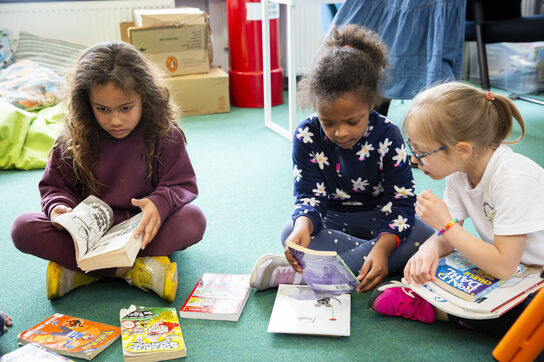
Developed with pupils, teachers and librarians, our programmes and support help children to read regularly and by choice and encourage the most reluctant readers.
-

Developed with students, teachers and librarians, our programmes and support help Key Stage 3 students to read regularly and by choice and encourage the most reluctant readers.
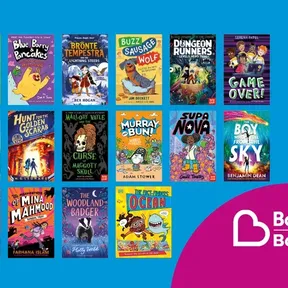
Inspire your pupils’ love of reading with Bookbuzz Primary
Get your pupils excited about reading for pleasure with this new programme of expertly curated books and resources for Key Stage 2.
Find out more(1) Chanfreau, J., Tanner, E., Callanan, M., Laing, K., Skipp, A., & Todd, L. (2016). Out of school activities during primary school and KS2 attainment. Centre for Longitudinal Studies Working Paper, 2016/1. University College London.
(2) Shulruf, B. (2010). Do extra-curricular activities in schools improve educational outcomes? A critical review and meta-analysis of the literature. International Review of Education, 56, 591–612. https://doi.org/10.1007/s11159-010‑9180‑x.
(3) Education Policy Institute. (2024). Laurus Trust – Student outcomes and progress. Education Policy Institute. Laurus Trust – Student outcomes and Progress – Education Policy Institute
(4) BookTrust. (2025). Benefits of reading. Available at: https://www.booktrust.org.uk/resources/reading-benefits/
(5) BookTrust. (2025). Why book choice matters for children and how to promote it in your classroom. Available at: https://www.booktrust.org.uk/resources/find-resources/why-book-choice-matters-for-children-and-how-…
(6) Cremin, T., Hendry, H., Rodriguez-Leon, L. & Hulston, S.J. (2024). Informal book talk: Digging beneath the surface. Education 3–13, 52(7), 930–945.
(7) Tamis-LeMonda, C.S., Luo, R., McFadden, K.E., Bandel, E.T. & Vallotton, C. (2019). Early home learning environment predicts children’s 5th grade academic skills. Applied Developmental Science, 23(2), 153–169. Available at: https://doi.org/10.1080/10888691.2017.1345634
(8) Howard, V. (2008). Peer group influences on avid teen readers. New Review of Children’s Literature and Librarianship, 14(2), 103–119.
(9) Gambrell, L. (2011). Seven rules of engagement: What’s most important to know about motivation to read. The Reading Teacher, 65(3), 172–178. Available at: https://doi.org/10.1002/TRTR.01024
(10) Pulimeno, M., Piscitelli, P. & Colazzo, S. (2020). Children’s literature to promote students’ global development and wellbeing. Health Promotion Perspectives, 10(1), 13–23.
(11) Clark, C. & Teravainen-Goff, A. (2018). Mental wellbeing, reading and writing. National Literacy Trust. Available at: https://nlt.cdn.ngo/media/documents/Mental_wellbeing_reading_and_writing_2017-18_-_FINAL2_qTxyxvg.p…
(12) BookTrust. (2025). The wellbeing benefits of reading for children. Available at: https://www.booktrust.org.uk/resources/find-resources/the-wellbeing-benefits-of-reading-for-childre…