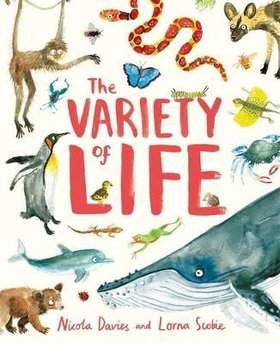
The Variety of Life
by Nicola Davies, illustrated by Lorna Scobie
Interest age: 4 to 6
Reading age: 5+
Published by Hodder Children’s Books, 2017
About this book
Did you know there are 400,000 species of beetle but only eight species of bear? Jam-packed with fun facts and figures, this is a glorious celebration of our world by non-fiction specialist Nicola Davies.
There is something to delight on every page and the layout is clear, so it's easy to read these fascinating facts about mammals, birds, reptiles and lots more. You can learn the scientific names, while the glossary at the back of the book is a helpful addition for the reader.
Accompanied with stunning illustrations by Lorna Scobie, the book encourages children to treasure the world’s biodiversity and handily indicates which species are threatened by extinction, to help children understand the importance of looking after our planet.
About the author

More books like this
-
The Map of Me
by Nicola Davies, illustrated by Olga Shtonda
3 to 7 years
-
The Secret World of Seahorses
by Nicola Davies, illustrated by Lou Baker-Smith
4 to 7 years
-
Skrimsli
by Nicola Davies
9 to 14 years
-
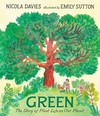
Green: The Story of Plant Life on Our Planet
by Nicola Davies, illustrated by Emily Sutton
4 to 14 years
Lists of recommended reads
-
Non-fiction books about Nature, for younger children
Non-fiction books are not only a great way to introduce younger children to learning about the natural world, but also to introduce concepts such as global warming and looking after the environment. From flora- and fauna-themed early learning books to detailed studies of species and habitats, these non-fiction nature books are perfect for any young inquisitive minds.
-
Books about biodiversity
Biodiversity refers to the variety of life on Earth in all its forms, and there are many. From miniscule bacteria to colossal blue whales or from tiny flowers to giant redwoods, every living thing on our planet has its own unique role in the global ecosystem.
-
Animal non-fiction
Surprising facts, statistics, similarities, differences, relationships, habitats, behaviours and more that make our natural world so unique