The benefits of reading
From babies to children in their early years and all the way through to early teens, reading brings profound and wide-ranging benefits that can have a lifelong positive impact on children’s lives.
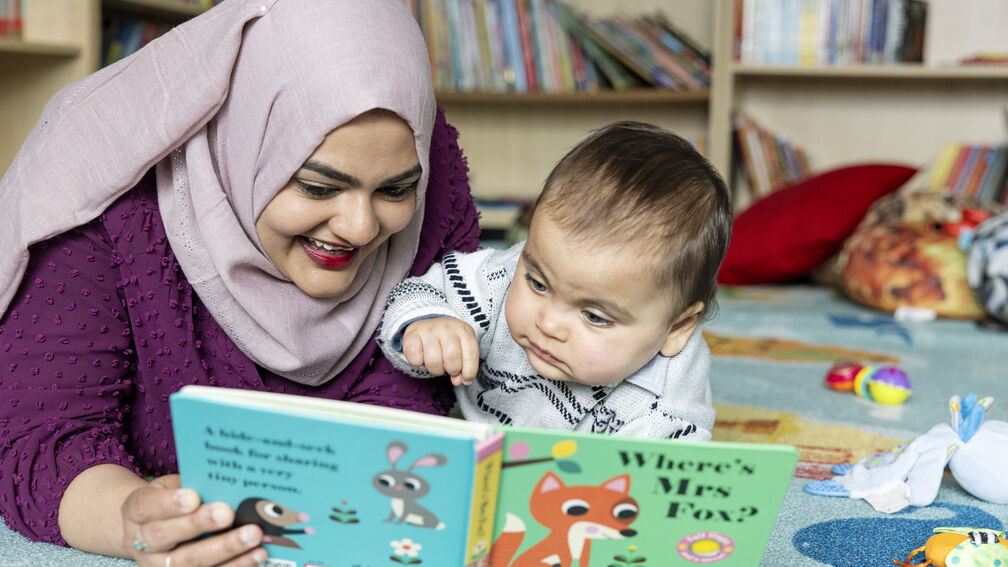
A mother and baby reading together
Our summary of the evidence
This evidence summary, produced in partnership with the Open University, offers an in-depth look at the many ways reading supports children. We’ve drawn from hundreds of academic studies to develop our findings.


Key takeaways
Reading supports children to:
Overcome inequalities before they deepen
They can experience better educational and social mobility. Children growing up in poverty are less likely to remain in poverty as adults. Throughout school, they are more likely to overcome the barriers caused by disadvantage.
Bond with their caregivers and experience better mental wellbeing
Feelings of security and bonds with parents/carers are enhanced. Children are more likely to have healthy routines and habits. They are more likely to experience better mental wellbeing, self-esteem and socio-emotional skills.
Meet early development milestones and do better at school
Brain development, attention, and cognitive ability are all enhanced. Children have better school readiness and make more progress across the curriculum. They have better speech and language development and literacy skills.
Develop empathy, creativity and imagination
Children build empathy by reading fiction. They develop creative problem-solving skills, and they develop their creativity and imagination.
Several large longitudinal studies show that young people who develop the habit of reading in early childhood are likely to achieve high qualifications and upward social mobility later on. Together with the well-documented developmental benefits of reading, these findings point to reading as a powerful lever for reducing inequalities.
Professor Teresa Cremin, Co-Director of the Literacy and Social Justice Centre at The Open University
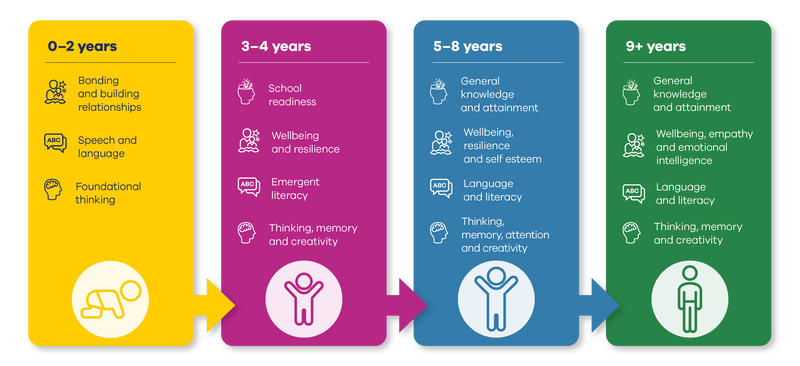
Infographic: the benefits of reading as children grow
More BookTrust research
-
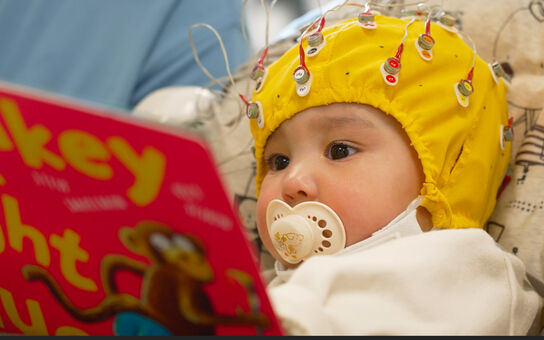
Find out why reading to babies gives them a head start in being able to focus, concentrate and learn.
-
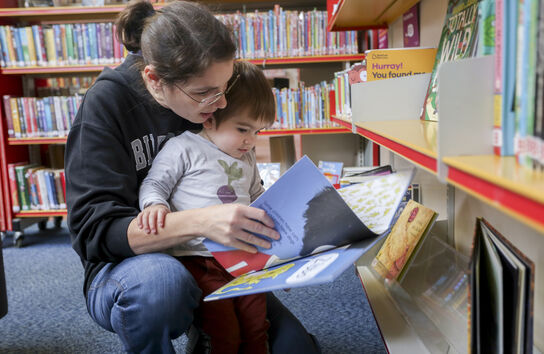
Research with families from low-income backgrounds in the UK.
-
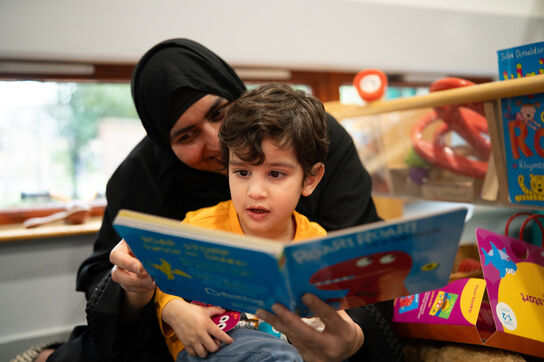
Explore our latest impact report and find out how we are working in every community in England, Wales and Northern Ireland to get families reading.
Case studies
-
Foster carer, Elaine, shares how BookTrust’s Letterbox Club parcels have helped her 9‑year-old foster son build his confidence through a daily reading routine, and brought them closer together.
-
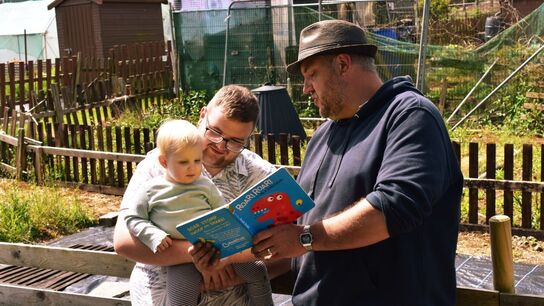
Lee and Luke from Cornwall share their experiences of how WILD Young Parents Project has supported them to explore the fun of sharing books and story-related activities with their families using BookTrust resources – and what they feel their children have gained from this.
-
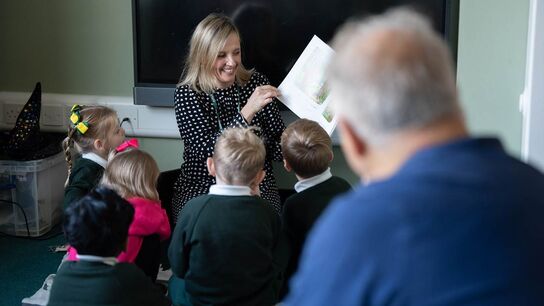
In collaboration with BookTrust, Frank Cottrell-Boyce, the Waterstones Children’s Laureate, visited a school nursery in Liverpool to see why story-sharing interventions during the Early Years are so vital for children.