Author Nat Harrison explores the appeal of modern adaptations of classics.
Image: Tom Clohosy-Cole
Nat Harrison
Every year, I marvel at how many wonderful new stories are published – not just in this country, but around the world. So many incredible new threads to weave into the vast tapestry of stories we love to tell.
Some of these stories will go on to become classic tales that are told and retold for generations, because if there’s one thing we love, it’s sharing a great story.
The amazing thing, and what I love most about stories, is their ability to shift and change over time.
The very best stories are timeless; they stretch and grow and twist and turn, becoming more exciting with every retelling.
Nat Harrison
We’ve been retelling stories for thousands of years. The very first folk and fairy tales have been handed down by each generation, changing immeasurably over time – the precursors to Cinderella and Sleeping Beauty, for instance, were terrifyingly dark – and have evolved to appeal to the audience of the day.
Yet the core of the story can be easily recognised all these years later. We always have, and I hope we always will, reshape classic stories to engage new audiences.
There’s something remarkable that happens when stories are passed down to a new audience. Whether it’s family stories or beloved classic tales, there is a special kind of magic in a story retelling.
But even more exciting to me is not just retelling but reimagining the story and making it your own.
Seeing a story through new eyes
When I was a child, I loved to reimagine stories, reshaping them by adding a little here, snipping a bit there, until I made the story just how I wanted it to be.
First on the list was Around the World in Eighty Days. Reading Jules Verne’s classic story for the first time, I was certain the adults in the story were missing all the best bits. I used to lie on the floor with a huge atlas spread out in front of me and imagine all the things Mr Fogg was missing as he hurried around the world.
Because who better to marvel at the wonder of the world than a young person with fresh eyes and a curious mind?
There is such value in reimagining a classic story by bringing a child’s perspective to the fore, making it accessible and relevant for today’s audience. Done well, it should allow young readers to experience the past and engage with a classic text which they might otherwise never pick up.
A good reimagining will keep the core of the story but bring in key elements that will engage young readers today and build on the foundations of the original work.
Readers, librarians, and booksellers have told me how much they love a good adventure story. There’s nothing quite like an exciting escapade to help people discover or rediscover the joy of reading, something that’s vitally important, now more than ever.
For me, Around the World in Eighty Days is one of the greatest adventure stories of all time – before jet planes and bullet trains and mobile phones, there were steam ships and steam trains and daring exploits! But does the story stand up for a young reader today and – just as importantly – should it?
What to think about when sharing stories from the past
There are complex elements to consider when revisiting classic stories and we should recommend them to young readers with caution.
The world has changed dramatically since many of the classic stories were written, but I do not believe that this should stop us engaging with them.
Talking about the differences between the world then and now is incredibly important.
One example is place names. In the century and a half since Around the World in Eighty Days was written, many city names have changed. Bombay is now the vibrant city of Mumbai, Calcutta is the cultural hub of Kolkata, and Ceylon is known as Sri Lanka.
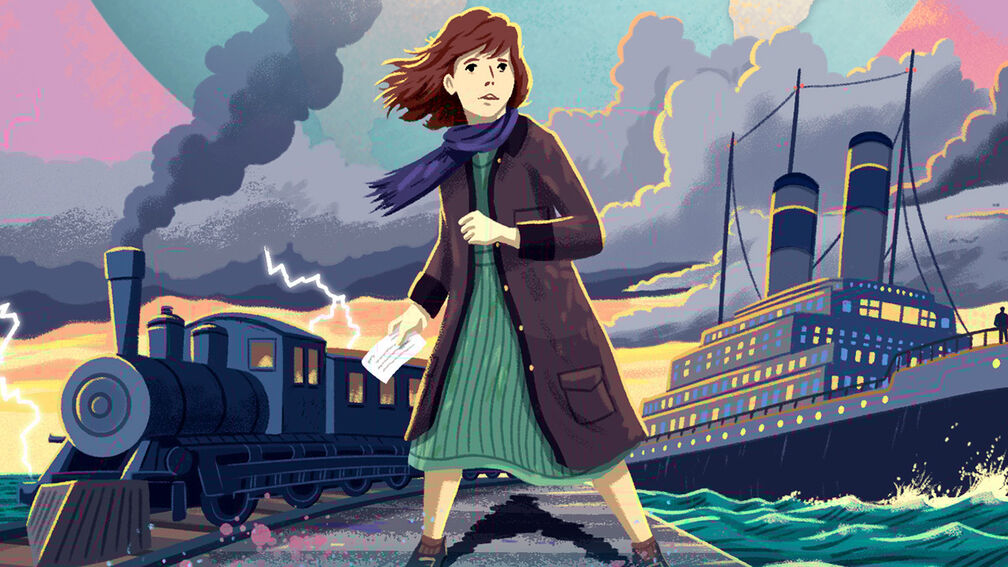
In writing The Girl Who Raced the World, I decided to use the names as they were in 1872, rather than those we use today, so that readers can experience each country alongside 11-year-old Maggie as she journeys around the world.
There are many other considerations, and the older the work, the more the world has changed. But when done with care, I believe engaging with classic works can spark interesting discussions, allowing young readers to engage with the past and understand how the world has changed over time.
Nat Harrison
I wrote The Girl Who Raced the World to give readers young and old a way to experience a time of great exploration and adventure. Readers aged 8 to 102 years old have told me how much they’ve loved journeying back in time on the voyage of a lifetime.
My hope is that the story will whisk readers away on a whirlwind journey from the comfort of their favourite chair, or beanbag, or classroom, and have them racing off to find their own next adventure!
Other retellings and reimaginings to try
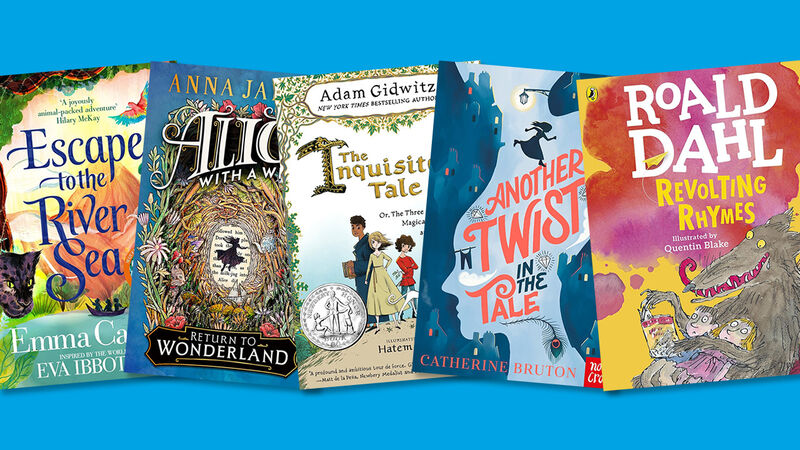
Whether you’re looking for reimaginings, or prequels, sequels, and spin offs, here are some of my favourites:
Escape to the River Seaby Emma Carroll: Inspired by one of my favourite books, Journey to the River Seaby Eva Ibbotson. Emma creates a captivating adventure in the Amazon, featuring a new cast of characters alongside familiar faces.
Alice with a Whyby Anna James: A fantastic sequel to the classic Alice’s Adventures in Wonderland featuring Alice’s granddaughter, Alyce. Anna’s story is beautifully brought to life through the illustrations of the wildly talented Matthew Land.
The Inquisitor’s Tale: Or, The Three Magical Children and Their Holy Dog by Adam Gidwitz: Not so much a retelling as a modern day Canterbury Tales, the story is told from multiple, often hilarious, points of view, which are as different and fascinating as Chaucer’s characters (more so, if you ask me!)
Another Twist in the Taleby Catherine Bruton: A terrific story about Oliver Twist’s older sister, Twill Twist, and her exciting adventures with characters both old and new in Victorian London.
Revolting Rhymesby Roald Dahl, illustrated by Quentin Blake: A very different take on the best loved fairy tales. My copy fell apart, it was so well read.
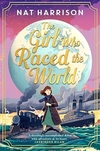
The Girl Who Raced the World by Nat Harrison is out now.
In an inspired reimagining of the Jules Verne classic Around the World in Eighty Days, readers are swept across the globe against a backdrop of fearlessness, treachery, sabotage, and family secrets.