Tips for gifting BookTrust packs to families

Why gifting moments matter

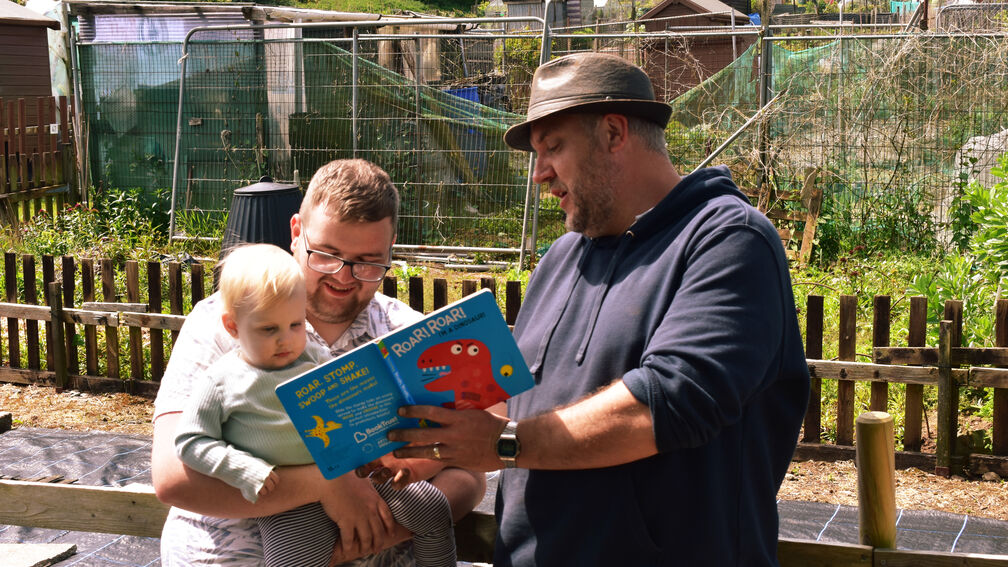
person standing and reading a book to a parent and child sitting down

Parents are more likely to start and sustain regular reading when books are introduced in a warm, encouraging way by someone they trust. Each time you gift a pack, you have an opportunity to spark that connection. A small, respectful interaction can help families feel included, valued, and ready to use the pack. 

Families come to reading with all kinds of experiences. Some may already read together often, while others may be newer to it or unsure where to start. The tips below can help you make each gifting moment relevant, encouraging, and tailored to the family in front of you. 

You can use these tips to:

  • Support new team members
  • Reflect on your gifting approach
  • Strengthen your connections with families 
1. Warmth helps build trust

When: If reading is new or unfamiliar to a family, or they seem unsure about the pack. 
Why: A welcoming, relaxed interaction can help families feel at ease, making them more open to trying something new. 
How: When parents and carers can see your genuine interest in them and their child – which can be as simple as open, relaxed body language and a smile or a few seconds of full attention – this can make the interaction feel warm and personal, even in a busy setting. 

Using a warm, friendly tone and showing genuine interest in the child and their parents or carers helps to build trust. You might start with a question about whether there are any books their toddler likes already, and say: This has some ideas for how to make stories really fun, with some activities to try around the books in the pack.

Michelle Maguire, Speech and Language Therapist, East Belfast Sure Start

2. Show families the value

When: If families are unsure what is right for their child’s age, or see the pack as just another freebie.” 
Why: Explaining that the pack is carefully designed for their child’s age and stage helps build trust in its quality and relevance, making them more likely to use it. 
How: You could point out specific features of the books and how they can be enjoyed together. 

A common question we get is: What should my two-year-old be reading?’ With the Bookstart Toddler packs, I can say: This is a really good example.’ I’ll show parents how they can move the book from side to side and show all the different pictures, and the different ways they can use it to interact with children.

Evie Loy‑O’Neill, Children and Communities Librarian, Richmond

3. Start where the family is

When: If you sense a parent or carer lacks confidence in reading. 
Why: Knowing there is no single right” way to share books helps parents and carers feel more comfortable starting in a way that works for them, increasing the likelihood they will keep going. 
How: You might reassure them that whether they read the words, talk about the pictures, or make up their own stories, it all supports their child’s development. 

We’ll say to parents: When you read this story, your child is hearing your voice. They don’t care if you stumble on the words. They don’t care if you’re getting things wrong. They just care that you’re together.

Luke Keast, Area Worker, WILD Young Parents Project

4. Repetition builds learning and comfort

When: If parents worry about reading the same book over and over again. 
Why: Familiar stories make children feel secure, and repeating words and phrases strengthens language, memory, and communication skills. 
How: You could compare favourite books to favourite toys, loved for their familiarity. 

We might say: Think of a favourite book like a favourite cuddly toy. Children love to hear a familiar story and it makes them feel secure.’ We also talk about how repeating the same words and stories is essential in supporting the development of early language and communication.

Marian Lowndes Sanderson, Early Years Worker, Doncaster Central Family Hubs

5. Build parents’ confidence in their role

When: If parents think their child prefers screens, or doubt their own value as a reader. 
Why: Children benefit most when adults feel confident, calm, and connected. Supporting the adult first helps the child gain more from the shared experience. 
How: You might demonstrate reading with the child and point out what the child gains from it, offering encouragement that they already have what they need, their voice, their attention, and the story. 

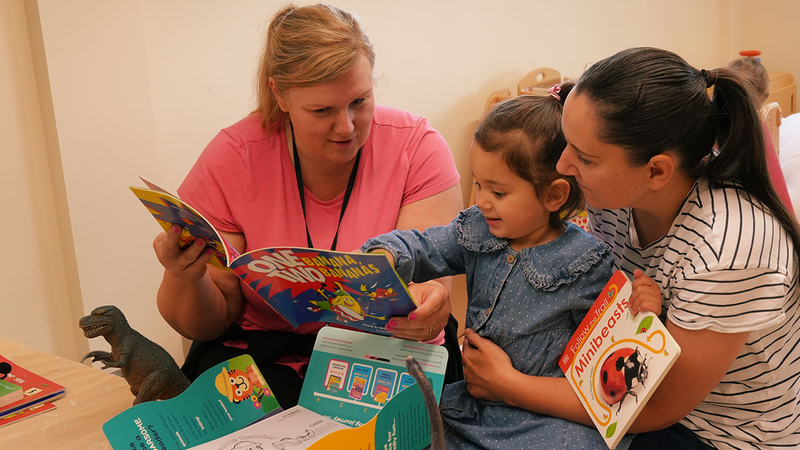
little girl pointing at a book with two adults sitting next to her

I’ll sit with parents and demo reading with a child and show them what they’ve got out of it. Often they’ll come back and say: You were right! They do prefer to be read to by me, instead of looking at a tablet.’ Sometimes it’s about reminding parents that they are important.

Alison Scholes, Early Help Outreach and Engagement worker, Rotherham MBC

Keep these tips in mind as you share BookTrust packs, so every family leaves not just with books, but with the confidence and motivation to enjoy them together.