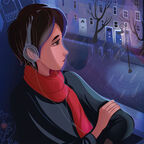
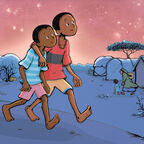
Author Fidan Meikle shares the importance of reading about other children’s lives.
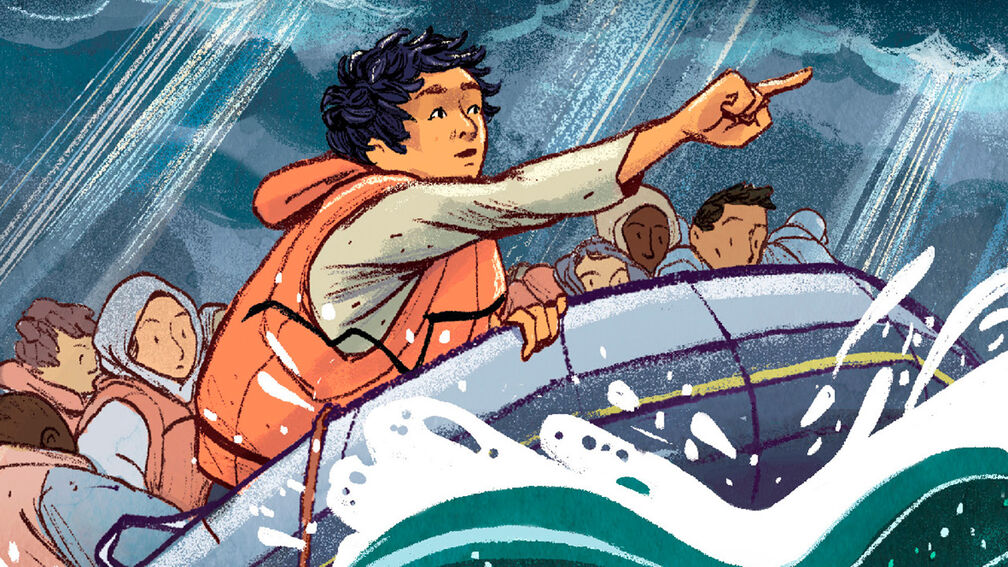
An illustration from the front cover of My Name is Samim. Image: Zeynep Özatalay
Fidan Meikle
Empathy. It’s that simple, powerful ability to step into someone else’s shoes, to feel what they’re feeling, even if their life is nothing like your own.
It’s what fuels kindness, connection, and the kind of world where everyone feels they belong. And one of the most powerful ways to nurture empathy, especially in kids, is by sharing stories that reflect a range of voices and experiences.
The empathy superpower of stories
The magic of reading is like a secret portal. You’re not just looking at words on a page; you’re living inside a character’s head, feeling their heart thump with excitement, sharing their worries, walking alongside them on their journey. That’s where the empathy-building superpower of stories comes in.
The kind of stories we read matters, a lot. When kids (and grown-ups, too!) meet characters from all walks of life – different cultures, different abilities, different families, different everything – their understanding of the world stretches and grows. Their own experience is no longer the only experience.
A child who’s only ever read books about kids who look and live just like them grows up in a world that feels like a cosy, familiar room. It’s warm, it’s safe, but it’s also small.
Then one day, they pick up a story about a bold explorer crossing distant lands, a young refugee starting over in a new country, or a child with a disability navigating everyday challenges, and just like that, the walls of that small room fall away. In their place is a wide, vibrant landscape full of different lives, voices, and different ways of seeing the world.
The ways books build empathy
This isn’t just about learning about differences; it’s about feeling them. It’s about realising that:
We all share the same feelings: Even if someone’s life looks completely different from ours, we all know what it’s like to feel happy, sad, scared, brave, loved, and lonely. Stories help us connect with those universal feelings, no matter the circumstances.
“Different” doesn’t mean “scary”: Diverse stories help break down those invisible walls of fear and prejudice. When a child reads about a character from a different background who is kind, funny, and brave, it helps them see that “different” just means different, not “less than”.
Seeing the world through new eyes: Stepping into a character’s shoes teaches kids to see things from multiple perspectives. This is huge for getting along with others, resolving disagreements, and just being a good friend and a good human.
Kindness grows: When we understand what it’s like to face challenges, to feel left out, to struggle, it sparks our compassion. It makes us want to reach out, to help, to make the world a little bit kinder.
Challenging bias: Books can be a great tool to highlight bias, and to start honest discussions.
Making the world a little more gentle
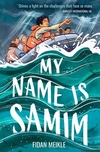
That’s what I hope readers might take away from my novel My Name is Samim – that kindness doesn’t cost anything, but it can change everything. We all have a part to play in making the world a little more understanding, a little more gentle.
And when we take the time to listen to someone else’s story, we often realise we’re not as different as we think.
We may look different, speak differently, or come from different places, but underneath it all, we share the same hopes: to be seen, to be heard, to matter, to love, and to be loved in return.
Help put your child in another person’s shoes with these picture books that inspire compassion: whether that’s towards animals, friends, or people in very different situations to your own.
Help your child develop kindness and empathy with these middle grade books that inspire compassion: whether that’s towards animals, friends, or people in very different situations to your own.
Since asylum can be a confusing issue for children (and even adults), here are some books that explore what it really means to flee your home and have to start your life over.
Since asylum can be a confusing issue for children (and even adults), here are some books that explore what it really means to flee your home and have to start your life over.
Since asylum can be a confusing issue for teenagers (and even adults), here are some books that explore what it really means to flee your home and have to start your life over.