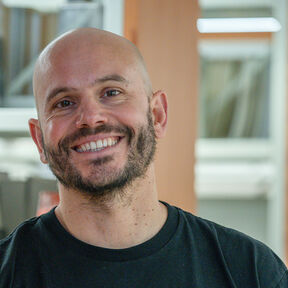
Our Writer in Residence, Matt Goodfellow, discusses voice and choice with five talented authors from around the UK.
Image: Chris Close
Matt Goodfellow is BookTrust’s current Writer in Residence
My theme as BookTrust’s Writer in Residence is voice and choice – and so far, you’ve heard a lot from me about why I choose to use accent and dialect in my writing, and why I think it’s important that young people are allowed access to work which reflects their own life and voice, but also those of others.
So I thought it was about time I widened the net and asked some of my favourite writers what they also think about voice and choice and how it influences their own work.
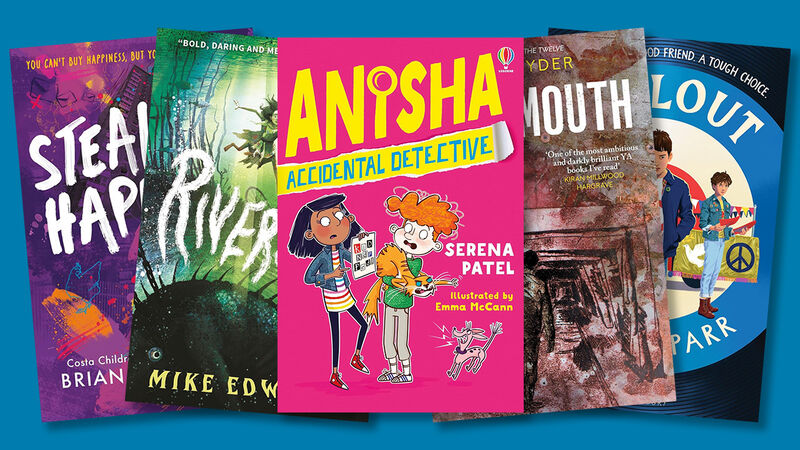
In this, the first of two conversations, we hear the thoughts of five incredible writers who were kind enough to take time out of their busy schedules to answer a few questions. An enormous thank you to Brian Conaghan, Mike Edwards, Serena Patel, Liz Hyder and Lesley Parr.
Look out for more of my favourite writers in the next post – and some other exciting things to come.
Please introduce yourself and your writing!
Brian Conaghan: I’m Brian Conaghan, a Scottish writer for children and young adults. My novels explore teenage life through authentic voices, dealing with identity, belonging, mental health, and growing up. I write stories that connect with young people by capturing how they actually speak and think.
Mike Edwards: I’m a poet and author from Teesside, in the north east. My debut middle-grade book Riverskin was published by Walker in June 2025 and I’m currently working on my second book The Voice in the Flames, which will be published in 2026.
Liz Hyder: I’m Liz Hyder and I write books both for young adults and grown-ups. My two books for younger readers are Bearmouth, a dystopian YA thriller, and The Twelve, a time-slip fantasy set in the depths of winter. Bearmouth was my debut novel and won the Waterstones Children’s Book Prize, the Branford Boase Award, and was The Times’s Children’s Book of the Year. The Twelve won the Nero Award for Children’s Fiction and the Tir na n‑Og Award for English language book.
Lesley Parr: I’m Lesley Parr and I write middle-grade fiction set in the past. So far, all of my books have been set in South Wales, in fictionalised versions of places very like where I grew up. I write realistic stories about working-class people and believe very strongly that this sort of class representation needs more nuance in the publishing landscape.
What does ‘voice and choice’ mean to you in your work?
Brian: To me, voice and choice means giving young people characters who sound like them – their world, their words, their reality. It’s about respecting readers’ intelligence to engage with diverse ways of speaking. Choice means offering books where different voices are celebrated, not sanitised.
I believe that it empowers young people to see their own dialect as legitimate, powerful and equal to others.
Mike: For me, voice and choice means characters speaking in a way that is natural to them and informed by their environment.
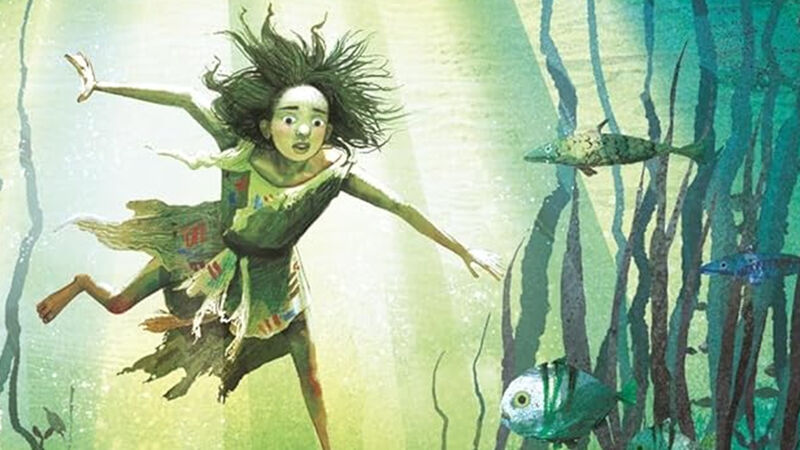
Character voice is massively important in Riverskin. The book’s narrator, Tess, has quite a unique way of seeing the world and speaking. She combines words, makes words up, uses onomatopoeia to describe things.
Tess lives in and around the river Tees and has essentially been raised by a witch (based on Peg Powler, a mythical witch of the Tees). It was a conscious choice to make Tess’s voice reflect her environment, the jumbled words she’s pieced together from discarded debris, from what has been passed on to her by Peg, local dialect, and by the sounds and moods of the river.
Image: Emma McCann
Serena: For me, it’s about giving young readers mirrors and windows through which they can make sense of the world. Offering them a wide range of options to pick from and making sure they feel included.
Liz: To me, it means the freedom to write both in your own voice and in the voices of those around you. I think it’s hugely important that writers feel that they can reflect the world around them.
I think it’s hugely important that writers feel that they can reflect the world around them.
That means different voices being heard – regional voices, regional dialects – and being given equal weight to those that are more dominant, mainly from the south east of England.
Lesley: An Own Voices perspective is hugely important to me, whether in my own writing or in what I choose to read.
Our experiences shape us, and empathy and imagination only go so far. When authors step in to represent marginalised groups, it takes that space from someone in those groups. We should be working to include them, not tell their stories for them.
For me, voice also means language choices to create realistic characters.
With choice, it’s far from a revolutionary idea, but children being able to read what they want and having well curated collections to choose from is key.
But things are changing – for example, I think there’s far less snobbery around comics than there used to be. As a teacher, I once worked in a school which abolished its reading scheme and the difference it made to the pupils in terms of reading for pleasure and attainment was clear.
Why do you think it’s important that children and young people are exposed to different accents and dialects?
And do you have any examples of interacting with young people at events where this was highlighted to you?
Brian: Absolutely! Accents and dialects validate young people’s own speech and cultural identity; theyshow that there’s no “wrong” way to speak. It breaks down barriers between “literary language” and real language, reflecting the UK’s incredible linguistic diversity.
At events, young people light up when they hear their rhythm of speech on the page – especially Scottish, Irish, and regional English voices that are underrepresented in books. It’s always nice to have readers tell me they’d never seen characters who “talk like us” before in my books.
Mike: I think it’s vital that children and young people are exposed to different accents and dialects. It’s about readers experiencing a range of voices, being able to both recognise voices and language that are familiar to them but also encountering voices, words and dialect that might be different, perhaps even unusual, but enjoyable and engaging.
It was important to me that Riverskin was set on Teesside. Lots of rivers have legends like that of Peg Powler but I really wanted to ‘champion’ a myth that was local to me. I also think that Teesside can be a bit overlooked when it comes to writing set around the north east.
It’s been great being in schools and talking about Riverskin; it has often led to looking at wider themes of regional identity. I was in a school recently and with some boys, we started to compile a list of ‘Teesside-isms’ (words such as ‘Smoggies’, a collective term for Teessiders – it started life as a bit of slur at the area’s industrial skyline, but Teessiders reclaimed it as an affectionate term for themselves).
Then we created a great poem: ‘We Are The Boro Boys.’ So much of how the boys saw themselves was wrapped up in that word ‘Boro’, short for Middlesbrough as a town and its football club. As a little Easter egg for that group, I’ve included a character in my second book who is a big football fan and refers to himself as a ‘Boro boy’.
Serena: It’s so important because that’s the world we live in and books should reflect a child’s reality.
When a child reads about someone who is like them or from where they’re from, it makes them feel seen, their voice heard. It’s so powerful.
And I hear all the time at school visits and festivals that children love the use of Hindi and Gujarati in my books because those are the languages spoken at home or with family. And for people not of those backgrounds, they love it because it’s an insight into a world that they might not know, but can feel familiar in other ways because everyone can relate to themes of family and friendship.
Image: Tom de Freston
Liz: Accents and dialects root us in our landscape, in a sense of place, and they’re so ripe and rich for storytelling too. I love how even a simple bread roll can be a cob or a barm or a bap depending on where you are in England. I think it’s hugely important that young people are exposed to accents and dialects they’re not familiar with.
It opens up the world, it shows that differences can be fascinating and funny and beautiful and wild, and I think we should celebrate those differences.
Some dialects are becoming eroded by the dominance of US culture and that makes me feel incredibly sad. Language changes all the time, of course it does, but I think of dialects in the same way that I think of nature: you can’t save it if you don’t know about it.
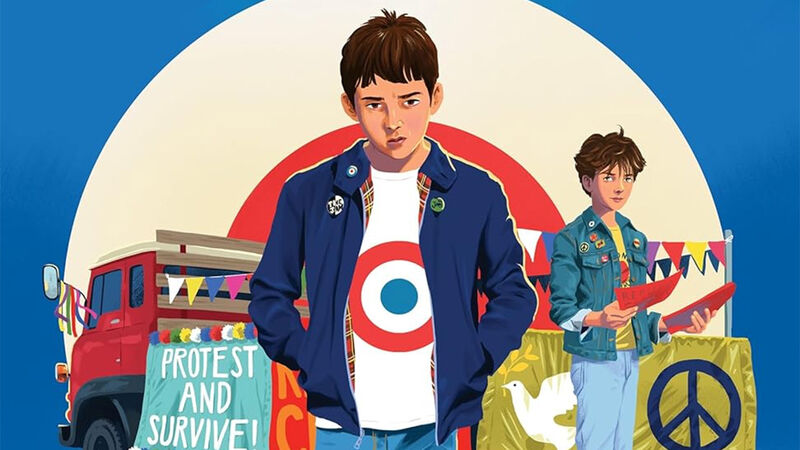
Lesley: I grew up in the 1970s and 1980s, an era of standard RP (basically, posh English accents) everywhere: TV, books, films… you name it. I didn’t actually notice this as a child because I’ve always been very secure in who I am and where I come from, but now I look back and cringe at what must have felt like a closed door to others.
I love reading books and watching TV series that embrace and highlight the diversity of our country and the wider world. We have a very, very long way to go in terms of real diversity – the door needs to open far wider so all children can see themselves – but I do feel it’s better than when I was a child.
What is your favourite use of accent, dialect and/or voice in your books?
Brian: The Glaswegian and West of Scotland working-class voice in my novels – the rhythm, the patter, the humour is embedded in how Scots actually speak. It’s not just about phonetic spelling but capturing the music of the language. That voice carries emotional truth that standard English couldn’t deliver the same way.
Mike: The book I’m working on now, The Voice in The Flames, is also set on Teesside. In a way, this book will draw on regional dialect even more directly than Riverskin. Tess in Riverskin certainly uses local dialect, but she’s a fantastical character and has been raised so singularly that her voice is largely her own.
But the central characters in The Voice in the Flames use some of the Teesside dialect that the ‘Boro Boys’ would recognise. ‘Smoggy’ is in there and even the frequent use of the word ‘like’ as an affirmation. “That was a good book that like.” I know some people can be sniffy about ‘like’ in usage as a bit of a meaningless filler word but it feels true to these characters that they use it. Wouldn’t be the same without it like.
I think the best use of dialect gives enough to ground the reader in place and in character without overdoing it or becoming too alienating and contrived.
I wouldn’t want to overdo the local references, but I had to include a ‘parmo’ (a takeaway food that was ‘born’ on Teesside). The Voice in the Flames is about a boy, Jack, who meets a fading fire spirit, Sal, in the shell of the old steelworks and at one point Jack tries to revive Sal by offering him a parmo. A supernatural entity encountering a famous Teesside delicacy, I couldn’t resist!
Image: Jason Cockcroft
Serena: I love writing all of my characters but Anisha probably feels the most real to me. She comes from a place within me, of childhood and trying to be heard and figuring stuff out. I think and hope that’s something that’s relatable to parents and children alike.
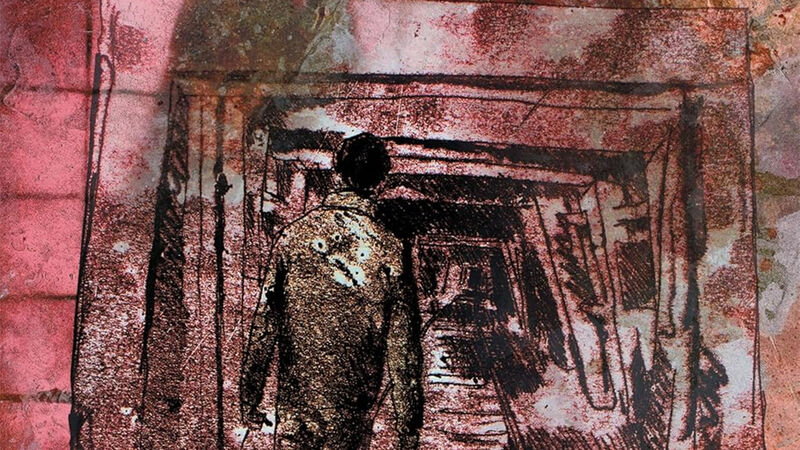
Liz: For me, it’s probably Newt in Bearmouth. It’s written first person in a dialect that I made up but that draws on accents and slang from all sorts of places, everywhere from Yorkshire and the Midlands to south Wales. It’s set down a working coal mine and was heavily inspired by real-life children working down the mines in the early and mid-19th century.
Newt, the main character, is learning to read and write, so their spelling improves as the story progresses. Newt’s a very determined young character that is smart and thinks on their feet and I think the way they speak really reflects that.
Image: David Dean
Lesley: My own experience of reader feedback from Wales is that they can really connect to my stories as they see their own accents, language and colloquialisms in print – often for the first time. And non-Welsh people tell me they love it too – win win!
I write in first person and endeavour to only use words a child of that age at that time would use. It’s the only way to achieve authenticity if writing from that point of view. It brings the reader closer.
I love using Wenglish – a happy mix of Welsh and English which we don’t even think about in everyday life, it’s just how we speak – e.g. calling a cuddle a cwtch. And colloquialisms such as tidy (good), twp (daft), landed (happy) and twty (to squat down) are such fun to put into my books, and I ensure the context makes it easy for anyone outside Wales to understand. If I want emphasis, a spoken sentence often ends in mun, like, “Don’t be so twp, mun!” One of my absolute favourites!
Can you recommend another children’s book or author that uses accent and dialect?
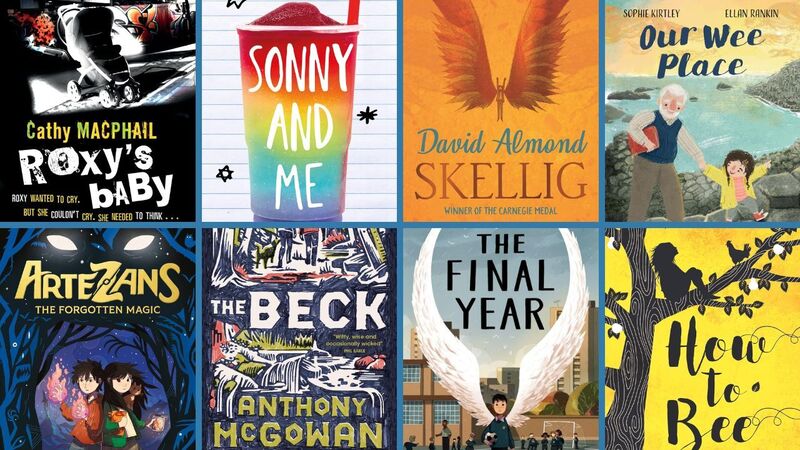
Brian: Cathy MacPhail writes dialogue-driven, streetwise voices. I’d start with Roxy’s Baby, Dead Man’s Dog. Ross Sayers goes full-on contemporary Scots in Sonny and Me and Mary’s the Name.
Mike: David Almond’s writing and his use of Tyneside dialect has been a big influence on me. In poetry, I like what Len Pennie is doing in keeping alive traditional Scottish language.
Serena: I’ve got three if that’s okay!
Our Wee Place by Sophie Kirtley and illustrated by Ellan Rankin (picture book)
Liz: David Almond, Anthony McGowan and BookTrust’s very own Matt Goodfellow are all exquisite writers who are brilliant at rooting their stories in the north of England. I must say how much I love Lesley’s books too though. She writes utterly brilliant stories that have an incredibly strong sense of place. She scatters Welsh language throughout her texts and captures the accent of south Wales so beautifully. I think she’s a marvel.
Lesley: How to Bee by Bren MacDibble is an Australian dystopian future with interesting language choices that lead you effortlessly into a rhythm of strong narrative voice. Matt Goodfellow’s poetry and narrative poetry books – the Northern edge is never far away, making every word feel real, accessible and familiar. And anything by the north eastern genius that is David Almond (he has a way of making all settings feel like home, even if it’s geographically different).
Explore some of the books by these authors and mentioned in this article
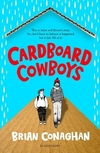
One day, 12-year-old Lenny meets Bruce, a homeless man, and they strike up an unusual friendship. With the feel of a modern-day classic, this book will make readers cry but is also hysterically funny and life-affirming.
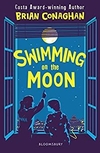
Anna is fiercely protective of her autistic twin brother Anto. While their parents argue, Anna does everything she can to keep the family together. Many key topics are thoughtfully explored in this sensitive novel for older readers.
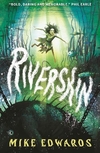
Tess can only ever remember living in the turns, a network of tunnels below the River Tees, but she no longer feels safe. Dare she leave the water to find her true origins? Remarkable.
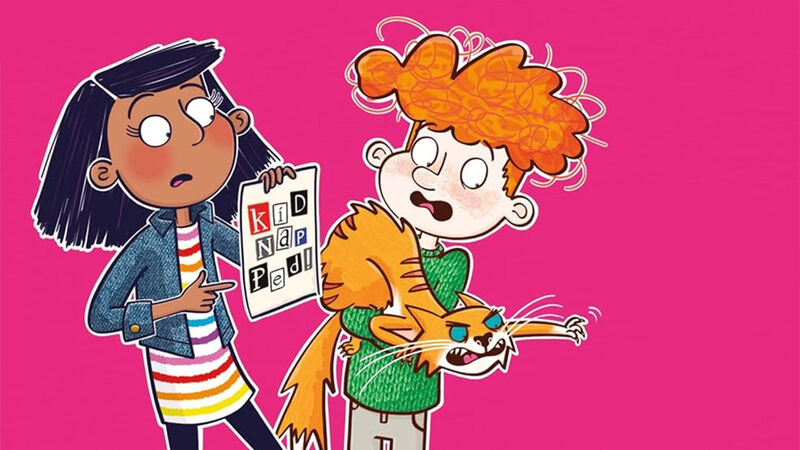
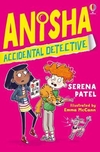
Anisha’s ultra-dramatic Aunty Bindi is getting married tomorrow and the groom, Uncle Tony, has been kidnapped! Can Anisha and her best friend Milo track down the culprit – and Uncle Tony – in time for his wedding?
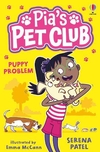
Pia has always dreamed of owning her own pet. To prove her credentials, she makes it her mission to train her friend’s new puppy and forms a local pet club of new friends and pet owners.
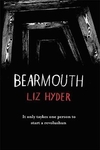
Newt has been living and working in the horrendous conditions of Bearmouth mine from an early age. Any kind of way out isn’t even contemplated until Newt meets Devlin. This story is exciting, ambitious, unpredictable and breathtakingly brilliant.
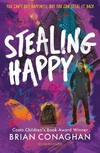
If people think you are bad news, what do you have to do to prove them wrong? And if they think you’re bad news regardless of what you do, what’s the point in trying to be better?
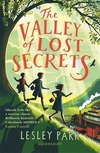
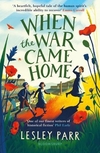
Jimmy and his little brother have been evacuated to a sleepy village in Wales to escape the bombs falling on London. When they find a mysterious artefact hidden in a tree, they begin to unravel its secrets.
There is a lot packed into this beautifully written historical mysery tale, which provides a fascinating insight into what life was like in the 1920s. It explores a range of topics, including the suffrage movement, workers’ rights, the education system, and the devastating after-effects of war.
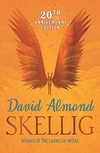
Exploring a ramshackle garage with his new-found friend Mina, Michael discovers a strange, magical creature who needs his help. A contemporary classic.
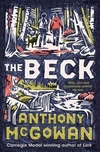
Kyle bonds with his eccentric grandad over ashared passion for protecting wildlife in a local stream.This powerful book includes themes of illness and bullying but maintains an optimistic, humorous tone.
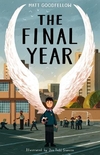
by Matt Goodfellow, illustrated by Joe Todd-Stanton
2023 9 to 14 years
Chapter books
Poetry and rhyme
When he falls out with his best friend and then his little brother is rushed into hospital, Nate’s world is turned upside-down. This incredibly powerful novel, written entirely in free verse and accompanied by thoughtful illustrations, is an emotional read.