How shared reading supports executive function and self-regulation in the early years
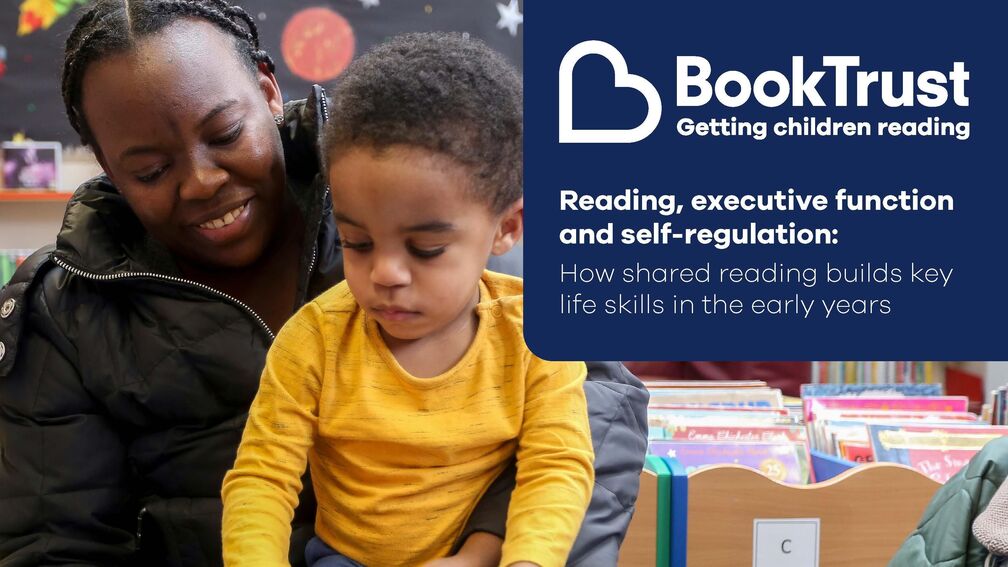
Find out how shared reading can help build key life skills in our evidence-informed guide which includes the latest learning, practical tips and a case study example from the London Early Years Foundation (LEYF).
What is executive function and self-regulation?
Executive function is a set of different capabilities that support children’s purposeful, goal-directed thinking and behaviour, including inhibitory control, working memory, cognitive flexibility, metacognition and emotional regulation. Together these capabilities underpin self-regulation. These are the capabilities which help children focus, manage their emotions, remember, reflect on and respond to different experiences.
What does the evidence say?
Executive function and self-regulation are key to children’s development, and evidence highlights they have a positive effect on both their academic achievement and socio-emotional growth. It also highlights the powerful role of shared reading: from neuroimaging studies to behavioural research, there is strong evidence to show that shared reading improves children’s memory, attention, flexibility and self-regulation. In this briefing we show how.
Shared reading has the most impact on children’s development of these capabilities when adults share books frequently, responsively and interactively.
Download the guide
In our evidence-informed guide you will find:
- Research evidence about the different benefits of reading for executive function and self-regulation
- How early years professionals can promote these benefits through reading
- Practical tips to help you put it all into action
- A case example from the London Early Years Foundation (LEYF)
- Book recommendations

To cite this report: BookTrust (2025) Reading, executive function and self-regulation: How shared reading builds key life skills in the early years. Leeds: BookTrust