Disability and books
Resources, advice and book recommendations on disability in children’s books.
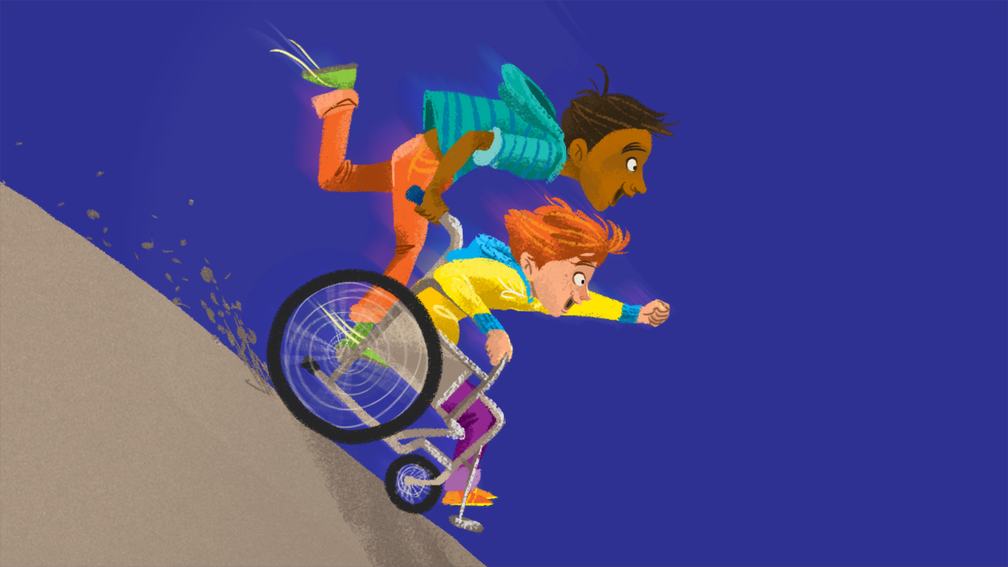
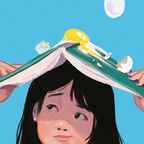
Image: Erika Meza
Representation through reading
We know that representation is vital in helping motivate children to read. Diversity and representation in stories, characters and illustrations in children’s literature affect how young readers see themselves and the world around them.
Diverse, inclusive and representative children’s literature can ensure that children benefit from a richness of perspective, nuance in narrative and good stories from the earliest age.
Disability booklists
Here, we recommend titles where disabled children are the protagonists, for all children to enjoy reading.
-
Books with positive images of disability and neurodiversity
Twelve children’s books that are useful for discussing disability, neurodiversity and inclusive issues with young readers
-
Deaf Awareness Week
This booklist includes children’s books that feature deafness as a key theme, books with a Deaf protagonist, and books that happen to include children with hearing aids and cochlear implants, in a subtle and natural way.
-
Books with disabled characters
This non-exhaustive selection of books is an introduction to the range of books that feature disabled characters. It includes characters who are blind, Deaf, some who use mobility aids, and some with limb differences. You’ll also find some non-fiction on disability.
-
Books about family illness
Books can help if you and your family are going through tough times. It is comforting to know that you’re not the only one. This is a selection of stories where a member of the protagonist’s family is ill. It includes mental illness, as well as physical.
-
Characters with Down’s Syndrome
Around 750 babies in the UK every year are born with Down’s Syndrome. This equates to one in every thousand. These books range from picture books to books for teenagers, and will be enjoyed by all children.
-

Visually impaired characters
This list is made up of books featuring characters who are blind or visually impaired, as well as books which include characters with glasses and/or eye patches in a natural and positive way. Books here cover a range of ages, from little ones up to teenagers.
Here are some books we recommend for children with additional needs.
-
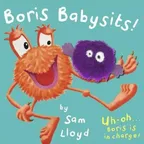
Bookstart Star books
This list of accessible books offers a number of wonderful books for young children. From chunky board books to touch and feel fun, to rhyming stories and beautiful picture books, there is something for everyone.
-
Bookstart Shine books
Great books to share with children aged up to five who are deaf or hearing impaired. Many of these titles were selected by expert panels for the Bookstart Shine programme; others have been recommended by parents, teachers, children, the RNIB, ClearVision, and other specialists. The titles are bright and engaging, and encourage communication and interaction. Features in the different titles include flaps, tabs, sliders, and finger trails.
-
Bookstart Touch books
Great books to share with children aged up to five who have a visual impairment. Many of these titles were selected by expert panels for the Bookstart Touch programme; others have been recommended by parents, teachers, children, the RNIB, ClearVision, and other specialists. The books aim to stimulate the senses for children with a visual impairment. Features in the different titles include strong contrasting colours, embossing, braille, and meaningful touch-and-feel elements.
Help delivering our programmes for all
Find out more about our dedicated programmes and resources that support children with disabilities to enjoy reading.
-
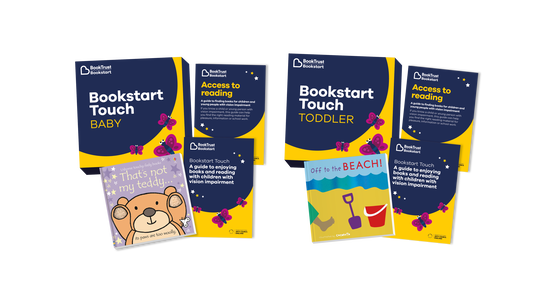
These packs are made available to support families in England, in addition to any other Bookstart packs they may receive.
Guidance and tips
-
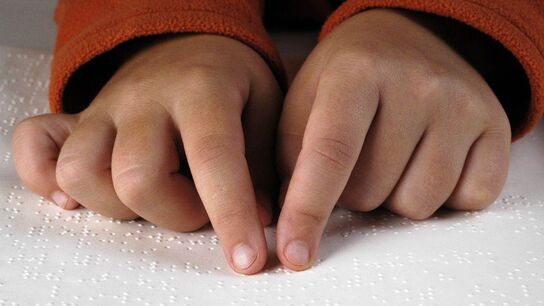
Find out about ways to add braille, tactile and large print books to your library and find other helpful resources to support your work.
-
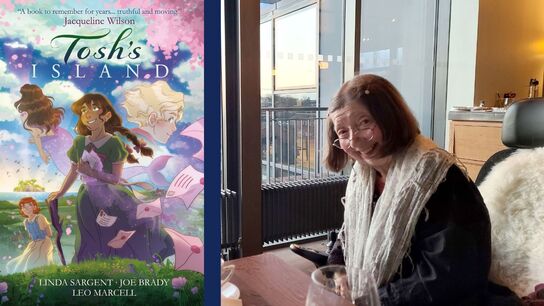
Author Linda Sargent discusses how crucial it is for children to read stories centred on disabled characters.
-
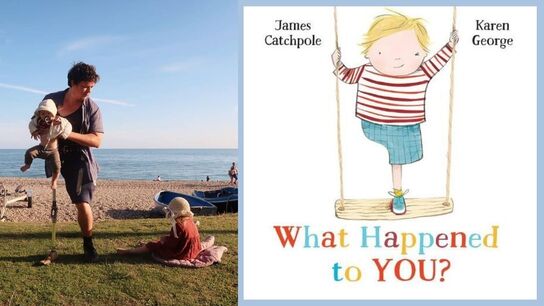
Author of What Happened To You? James Catchpole suggests five things to do when a child asks this of a disabled person.
-
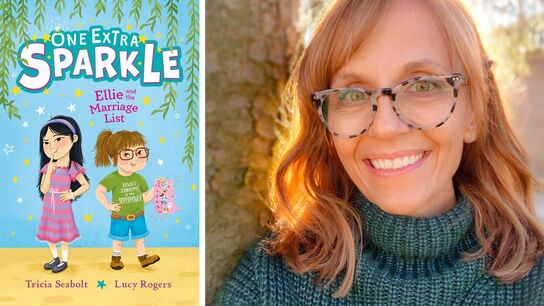
Author Tricia Seabolt shares why all children should be represented in books.
-
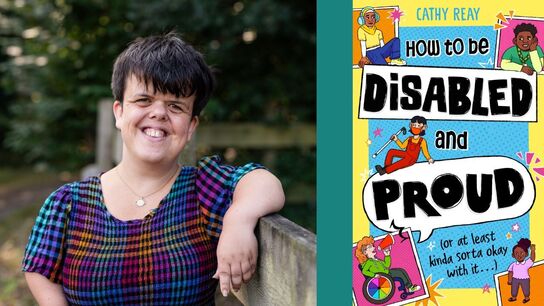
Author Cathy Reay shares why it’s important for all children to have non-fiction books about disability and by disabled authors on their bookshelves.
You might also like
-
Resources, advice and book recommendations on neurodiversity and children’s books
-
If you are looking for books relevant to any aspect of mental health, wellbeing, illness or emotional literacy, this site offers a wealth of reviews – and this page is a great place to start.