5 picture books that celebrate communication differences
Our Writer in Residence, Lucy Rowland, shares her favourite books with characters who communicate differently.

Lucy Rowland is a picture book author and children’s speech and language therapist
It is estimated by Speech and Language UK that 2 million children and young people across the UK face significant challenges with their speech, language and communication.
Data from the Department for Education also shows that Speech, Language and Communication Needs (SLCN) represent the most common type of primary need among pupils receiving SEN (Special Educational Needs) support in England, accounting for 25.7% of pupils.
But characters with SLCN are, I feel, greatly under-represented within picture books.
It is SO important for children to see themselves reflected in the books they read.
Seeing characters who are similar to themselves, or who experience the world in similar ways, can build a sense of belonging and reassure children that there are other people in the wider world like them.
It can help to broaden people’s understanding of SLCN and challenge harmful stereotypes.
It supports children’s self-esteem and confidence and, importantly, this representation shows that everyone has a story worth telling which, for someone with a communication difference, must be particularly powerful.
Here are five picture books that celebrate communication differences.
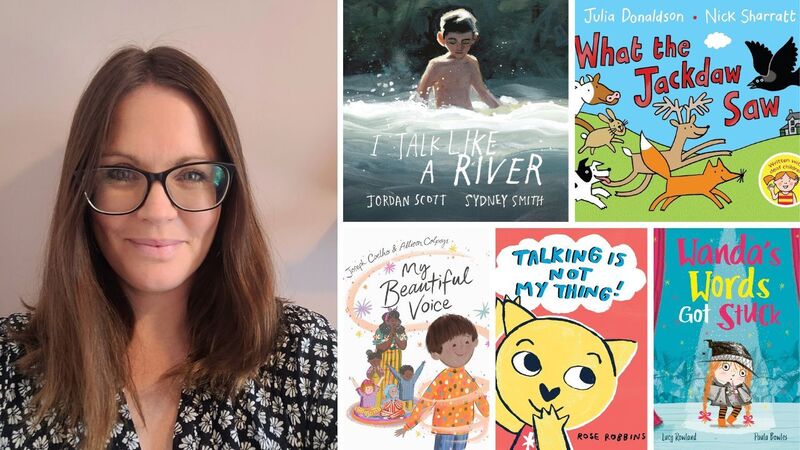
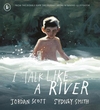
1. I Talk Like a River by Jordan Scott and Sydney Smith
This stunning picture book is about a young boy who has a stutter. It covers his challenges and his feelings about his speech and ultimately shows his journey towards comfort and understanding when his father takes him to a river.
The river is sometimes flowing and smooth and sometimes turbulent and bumpy – just like the boy’s speech. This is a beautiful, powerful and emotive read.
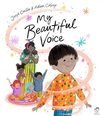
2. My Beautiful Voice by Joseph Coelho and Allison Colpoys
A moving, lyrical picture book about a shy child unlocking the power of their own voice through poetry, with the helping hand of an extra special teacher.
This book explores how some children feel more comfortable and confident expressing themselves through the written rather than spoken word. The main character is depicted as ‘shy’ (as opposed to having a particular SLCN) but the emotions around struggling to express themselves, and ultimately the discovery of their own powerful beautiful voice, really struck a chord with me.
3. What the Jackdaw Saw by Julia Donaldson and Nick Sharratt and co-created with a group of deaf children
The jackdaw wants all his friends to come to his party, but when he calls out his invitation the animals just touch their heads. Why won’t they answer? And what do their actions mean? Luckily, a brown owl can help him with the puzzle!
This book about friendship and sign language was co-created with a group of deaf children and it is SO lovely to see sign language being explored and celebrated in a mainstream picture book.
4. Talking is Not My Thing by Rose Robbins
The autistic sister in this sibling pair is non-verbal, but she finds plenty of ways to communicate and have fun with her brother.
This book celebrates alternative forms of communication such as use of body language and gesture, drawing pictures or using flash cards, and shows us that verbal communication isn’t the only way to make yourself heard.
5. Wanda’s Words Got Stuck by Lucy Rowland and Paula Bowles
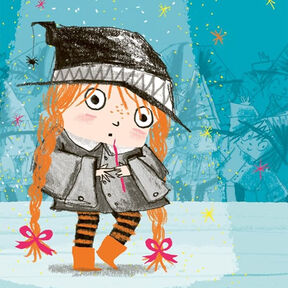
Wanda’s words won’t come out and she’s just too shy to speak! But when another nervous little witch called Flo joins her class, Wanda discovers that making friends doesn’t need any words at all.
I didn’t write this book with any particular diagnosis in mind. Sometimes Wanda’s words are ‘tricky and sticky as glue’. This may be because she has a stammer? Perhaps she has a Language Disorder? She may have Selective Mutism? Or perhaps she is just feeling shy? I wanted to write about a character that lots of children could relate to, whether they have a diagnosed SLCN or not.
Together, these books remind us that there is no single way to communicate, and that every child deserves to see their way of connecting, expressing themselves and being heard reflected in the books they read.
Which other books celebrating communication differences would you recommend?
Read our reviews of Lucy’s recommendations
Writer in Residence
Find out more about our Writer in Residence Lucy Rowland and stay up to date with everything she’s getting up to during her time in the role.
Take a look