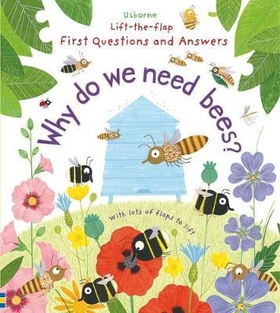
Why Do We Need Bees?
by Katyie Daynes, illustrated by Christine Pym
Interest age: 4 to 8
Reading age: 7+
Published by Usborne, 2017
About this book
We’ve all been told that bees are important but why exactly do we need them? And how much do we know about their lives, habitats and social organisation?
For a start, did you know that there are over 20,000 different types of bee? That they come in a variety of colours (even blue) and live in some surprising places, including under the ground?
Find out who’s who in a hive and how honey is made with this robustly presented lift-the-flap question and answer book. Full colour illustrations add humour and encourage engagement and with fascinating information spread across more than 50 sturdy flaps, youngsters (and adults) will be bee experts in no time.
More books like this
-
First Friends: Bodies
by Mk Smith Despres, illustrated by Xuan Le
1 to 5 years
-
Busy Little Fingers: Play
by author-illustrator Martine Perrin
3 to 5 years
-
Who's There, Little Bear?
by author-illustrator Teresa Bellón
1 to 5 years
-
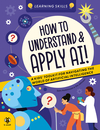
How to Understand and Apply AI
by Sam Hutchinson, illustrated by Ste Johnson
7 to 14 years
Lists of recommended reads
-
Non-fiction books about Nature, for younger children
Non-fiction books are not only a great way to introduce younger children to learning about the natural world, but also to introduce concepts such as global warming and looking after the environment. From flora- and fauna-themed early learning books to detailed studies of species and habitats, these non-fiction nature books are perfect for any young inquisitive minds.
-
Brilliant bee books
We've put together a list of books about brilliant bees, from funny tales to fascinating facts, to help children find out all about these amazing creatures...
-
Books about biodiversity
Biodiversity refers to the variety of life on Earth in all its forms, and there are many. From miniscule bacteria to colossal blue whales or from tiny flowers to giant redwoods, every living thing on our planet has its own unique role in the global ecosystem.