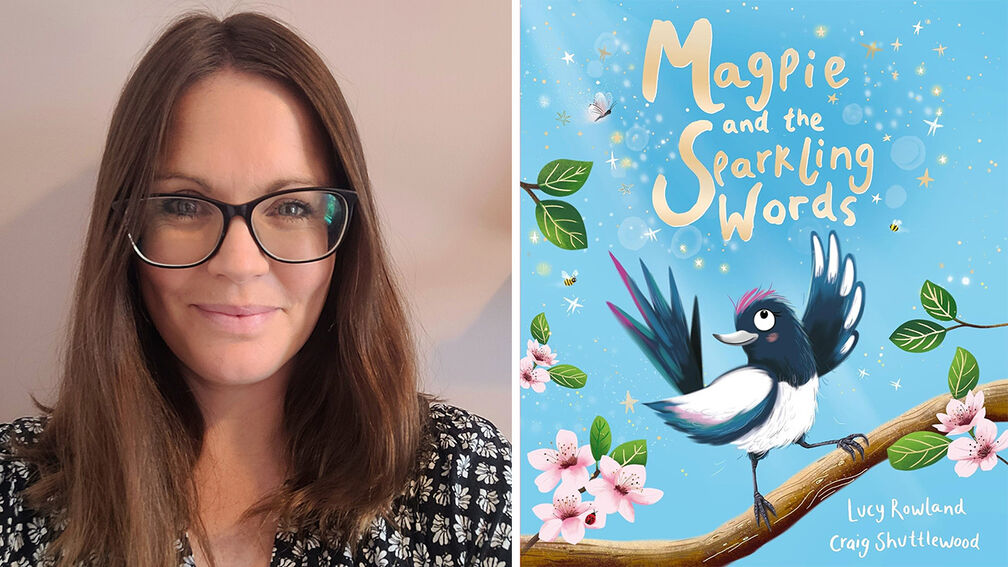
Our Writer in Residence, author and speech and language therapist Lucy Rowland, shares why reading together is a brilliant way to get ready for school.
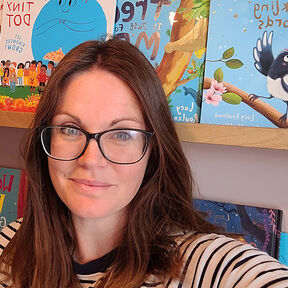
Lucy Rowland is a picture book author and children’s speech and language therapist
I love September and that ‘back to school’ feeling. Pencils have been sharpened, uniforms sized up and, in my case, a brand new notebook is purchased (though I never really need an excuse for that!)
Children all over the UK will be taking their first steps into new classrooms: seeing new things, learning new topics, opening new books and, of course, hearing new words!
As a speech and language therapist and children’s author, I think September is a great time to remind ourselves how we can support children’s acquisition of vocabulary, particularly through book sharing.
How sharing stories can support word learning
We know that having good understanding and use of spoken language supports later reading and writing skills. But more than that, communication is key for so many aspects of a child’s development, and word learning is one of the important building blocks required.
So how can you support children to be ready for school and soak up those words like a sponge?
When it comes to word learning, repetition is vital. Children have to hear words many times before they know them securely. So, re-reading those favourite stories (yes, even when you may be sick of them) is actually really helpful!
If you are a parent, link with your school or nursery. Find out which topics your child will be learning and consider getting books from the library together to learn more. You can talk with your child about the new topic words and what they mean.
Is there a class story book? Consider pre-reading this at home (or in small groups at school or nursery if you’re supporting children there) so that the child becomes familiar with the new concepts and words before they hear them in class.
We know that reading together is a brilliant way to expand children’s vocabulary because books expose them to fabulous, rich language that they don’t usually hear in general conversation.
Lucy Rowland, BookTrust Writer in Residence
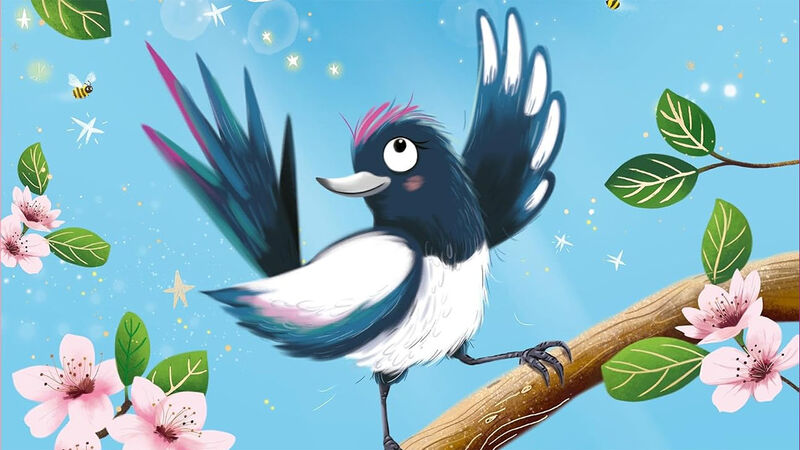
Magpie and The Sparkling Words (written by me and illustrated by Craig Shuttlewood) is a true celebration of vocabulary and filled to the brim with exciting words. It even includes a glossary at the back and a word tree where readers can write their own favourite words.
But ALL books are fabulous for supporting word learning. Go with what the child enjoys, lean into their interests, and see what they pick at the library.
More tips to support language by sharing stories
Image: Craig Shuttlewood
When reading books together:
Think about how you can bring new words to life by using story sacks, showing props or adding actions.
Try pausing and prompting children to join in so they have a go at using the new words themselves. Books that use repetitive refrains are particularly good for this!
Think ‘beyond the book’. For example, if a particular category of words comes up in a story, you could ask children to name another word in that group. After reading The Very Hungry Caterpillar, for example, children might take turns to name their own favourite foods!
Support children to be curious about new words. Can they be a ‘word detective’ and look out for words they haven’t heard before? Then you can discuss the meanings together. You can help children by asking, “What’s a new word you heard today?”
Because the more they hear and use those words, the more those words will stick.
Conversation and reading together truly are brilliant ways to support children’s vocabulary and celebrate those wonderful words!
Magpie takes all the interesting words for herself, but then the woods grow silent. Can she learn to share? A lyrical rhyming story about friendship and sharing, with an array of sparkling vocabulary and a glossary.
Writer in Residence
Find out more about our Writer in Residence Lucy Rowland and stay up to date with everything she’s getting up to during her time in the role.