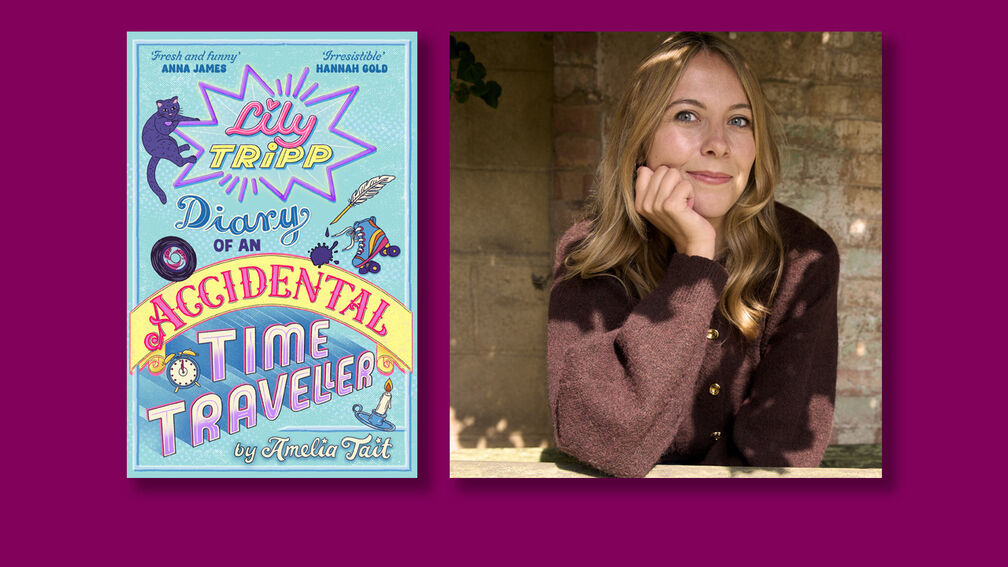
Author Amelia Tait argues that fiction grounded in reality is crucial for teenagers to read.
Amelia Tait
I spent my childhood waiting for a wizard. Like a lot of young readers, I devoured fantastical stories, and a big part of me hoped that I too would turn out to be a Chosen One.
I strained to hear Gandalf knocking on the door at night; I checked the mat for a letter from a magical school in the morning. I remember waking up one day and seeing something strange, red, and shimmering in the corner of my room. At last, magic had arrived! Alas, I simply hadn’t put on my glasses. It turned out to be a Kinder Egg toy.
In many ways, there’s no harm in waiting for a wizard – but in one crucial way, for me at least, there was.
When I read about sorcerers and hobbits, I had no doubt in my mind that I would be just as brave as they were, in their shoes (or shoeless-ness). I knew I would happily face up to a dragon, and a Dark Lord of any persuasion could not corrupt my heart.
But I was too busy imagining my fantastical heroism to look at the bravery I could’ve displayed in everyday life. I never stood up for anyone being bullied – to my shame, sometimes I joined in.
This is why, as I grow older, I increasingly feel it’s important for children to also read books that reflect real life. Reading about bullies, friendship fallouts and all-consuming crushes can not only make children feel less alone, it can also – in the best cases – help them learn and grow.
Why flawed characters are so important
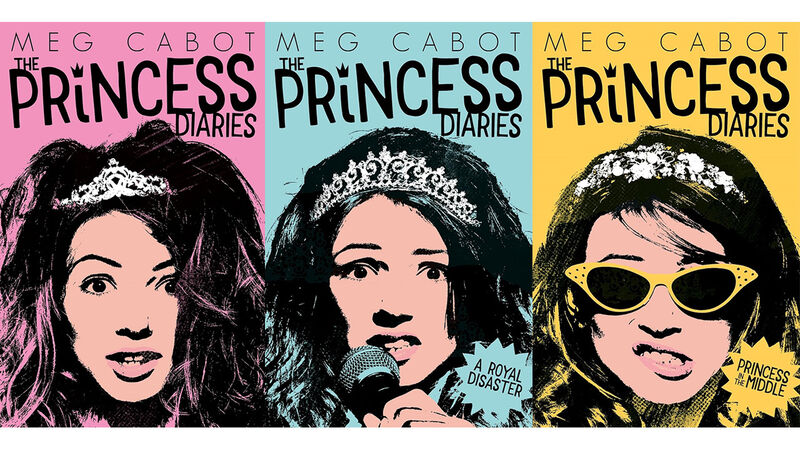
When I turned 10, my best friend bought me The Princess Diaries for my birthday. I remember wrinkling my nose at the sparkly hot pink cover – I didn’t read books like that!
But very quickly, I fell in love. While the movies based on the stories make the all-American teen princess, Mia Thermopolis, seem sweet, silly, and insecure, in the books she was spiky, funny and flawed. After all, the very first line of the very first book is, “Sometimes it seems like all I ever do is lie.”
Up until that point, the princesses I’d met in books and films had been eye-wateringly pure and good. The world seemed divided into goodies and baddies, and I thought that doing bad things made me a bad person.
Reading about Princess Mia’s mistakes opened my eyes. Sometimes she judged people too quickly and didn’t want to be their friend, only to later realise the error of her ways. She acted impulsively and wasn’t always loyal. Like so many of us, she once misguidedly wore a beret.
Why you don’t have to be a hero to be heroic
When I wrote my own coming-of-age diary story there were a couple of things I knew I wanted to include.
In Lily Tripp, Diary of an Accidental Time Traveller, the mean girls aren’t the cartoonish kind that threaten to push you down the stairs – their digs are subtle and sometimes confusing, as they often are in real life.
But I also wanted my main character, Lily Tripp, to be capable of this kind of thoughtless cruelty, too. I wanted her to succumb to the pressure to conform before she committed any acts of bravery – it was important to me that she had space to grow.
In the end (you may not be surprised to hear), a wizard never knocked and a letter never came. I wasn’t chosen for some grand dragon-slaying adventure. But maybe I do have a mission, of sorts, now.
Via Lily, I want to show children you don’t have to be a hero to be heroic. And, in fact, you often won’t be heroic at all.
As you grow, you don’t have to be anything other than a person, figuring it out as you go.
Lily Tripp travels back in time every New Year’s Day. Unfortunately, mean girl Georgia also time travels with her – and this time Lily is her servant! Can Lily cope with being bossed around, and – worse – live without chicken nuggets? A funny diary that teens will very much enjoy.