BookTrust promotes reading for pleasure. The key word here is pleasure; in my view, you should never have to read a book because you’ve been told to, especially if you’re a child.
The challenge for any author who wants to support autistic children in their social understanding is how to do this without coming across as preachy, worthy, or downright dull. The wrong approach – as well as being severely unpleasurable – can be damaging and lead to children being socially anxious and afraid of doing the ‘wrong’ thing.
In any case, I think most children’s writers shudder at the thought of writing ‘shoulds’ or ‘should nots’, as well as the lofty attitude that goes with those words. The question is, how do you approach this kind of subject instead?
How fiction can help
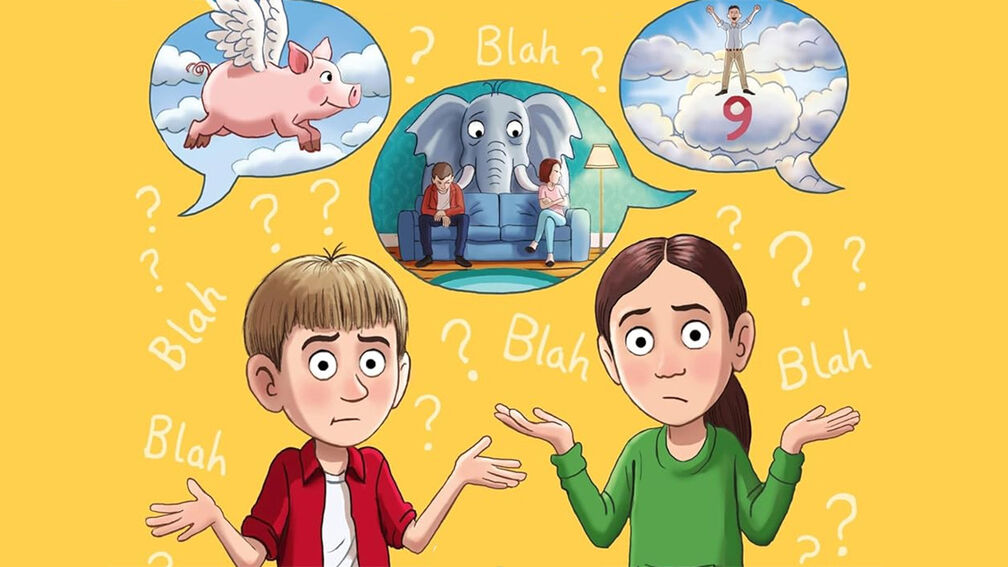
I chose to write fiction for my book, Strange Sayings and Confusing Conversations, which unravels social mysteries.
Fiction is perfect for multiple reasons. Firstly, it seems a little unfair to oblige autistic children to read more non-fiction titles than their peers, as is often the way. Although my autistic son has enjoyed many fabulous non-fiction authors, at some level he’s always aware that those books are a learning tool.
The device of fiction also means that autistic readers get to distance themselves and take in information merely as an observer. This makes messages far less threatening and therefore easier to take on board.
Fiction also has the advantage of giving the reader solid examples of realistic scenarios. Conceptual advice is far more difficult for autistic children to take in. Most of the stories in my book have a variety of settings and different encounters to engage the reader.
Finally, fiction has one advantage far beyond any other. There’s nothing quite so validating as seeing yourself – or at least a part of yourself – fictionalised in a mainstream title. If it’s in a story book, it’s got to be more common to feel this way than you thought, right?
Every minority says it – to see yourself represented in popular culture is to finally feel included and accepted.
What to look out for in books
Despite fiction being made up by its nature, autistic children in particular have a low threshold for fake enthusiasm; the ones I know see through it straight away. For an autistic audience, stories have to have an air of authenticity.
The characters that they truly engage with aren’t fantasy children with perfect parents and an eagerness to embrace challenges. They find interactions effortful and confusing, the world seems geared up to work against them, and it’s all darned hard work. But within those parameters, so many exciting, fulfilling adventures can be had.
Humour is a hugely underrated device which paves the way for a trusting relationship with the reader. There’s also the thrill of being a bit mischievous in places; that feeling that they’re being let in on a private joke. This creates a sense of the author as a buddy rather than a lecturer.
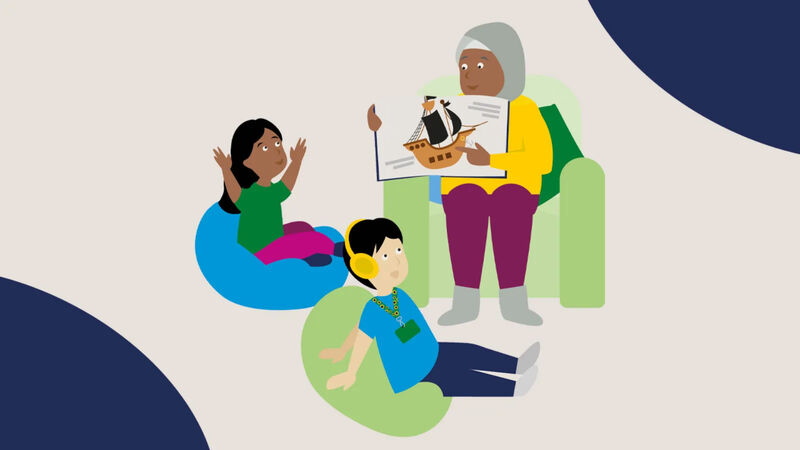
Since parents and teachers may be the first to flick through these stories or read them out loud, adult characters in books for children are very important too. Some of the characters in my tales are designed to provoke reflection in adult readers, too.
For instance, Dan’s mum sits side by side with him rather than confrontationally opposite and offers information in bite-sized chunks. After all, many negative experiences that autistic people endure are the result of their environment – a child’s adult inner circle is a huge part of that.
If you’re a children’s author then the illustrations in your books are as important as your words – some would say even more so. Spotting small hidden jokes in the pictures can create even further engagement from the reader, as it makes them feel cool and clever. I am lucky that my illustrator, Tim Springer, happens to be autistic and brings his own warmth and understanding to the book.
With some thought in the choice of books suggested, autistic readers may learn to recognise various different social scenarios or conventions. And, joyfully, they will also hopefully recognise some part of themselves in the pages.
Strange Sayings and Confusing Conversations by Debby Elley, illustrated by Tim Springer, is out now.