Author Nathanael Lessore argues that empathy through reading can counter toxic masculinity.
Image: Tosin Akinkunmi
Nathanael Lessore
Masculinity is one of those semiotic subjects that is so broad, no one person can write about it without the caveat of, “But hey, that’s just my own personal view.”
For example, the only thing I know for sure about boyhood is what I lived. It might as well be a newly discovered planet: a constantly contested, evolving concept.
But fiction can be a great way to explore it, and encourage empathy for young people figuring out what the label means to them.
So where are teenagers getting their ideas of masculinity from?
Well, dictionaries aren’t much help in defining it. “Traits commonly associated with men” leaves too much room for stereotypes and potential ‑isms to creep in. And there are many who are primed to take advantage of this…
Politicised ideas of manhood and masculinity
Masculinity has been increasingly weaponised to further political ideology in recent years, especially for young boys, and there are many dangerous figures influencing our young people.
While some teens now find them cringe and laugh at them, their insidious ideology continues to seep into schools, friendship groups and attitudes. The damage they’ve done has had a ripple effect that we have yet to remedy.
Young people are constantly being barraged with biased and politicised ideals of manhood through the media they consume. “Beards are masculine.” Are they? I know lots of men without one; my dad’s been clean shaven since before his wedding day. “Muscles are masculine.” Really? Most guys I know haven’t seen the inside of a gym in decades.
This fallacy that “men aren’t men anymore” is being pushed by the very same people who claim it’s a simple matter of biology. But how can both these things be true at once?
On school visits, I commonly hear “gay” used as insult, or the punchline of a joke; I witness sexual harassment and misogyny being downplayed. Teenage boys frequently ask me if I drive a lambo, or if I wear a Rolex, or how much money I make; these are the markers of masculinity they’ve been taught by podcasts, music, TV, film and online discourse.
Indeed, recently, a legendary rapper with millions of young male followers openly stated that he hates his grandchildren seeing non-hetero couples in kids’ films. Footballers accused of and charged with gender-based violent crimes are openly defended in any comments section of the internet.
I think these are the real problems facing boys and young men, not the meaningless “men aren’t men anymore” drivel that’s shoved down their throats. And it’s impacting girls too. They are acutely aware of the sexism that has taken hold of their schools. They’re in just as much danger as the students who’ve missed or ignored the red flags that wave high (and sometimes proud).
Encouraging more positive definitions of masculinity
So, how can we deliver more positive representations of what it means to be a boy in today’s society?
I never set out to use my books to discuss boyhood and masculinity. Partly because I became a writer by chance, and therefore had no intent behind my writing, other than to entertain. Any commentary on boyhood or masculinity in my fiction is kind of an accident. I just wanted to write about my life. But on the other hand, it’s not an accident at all.
I’m personally aware that toxic masculinity is pervasive in society right now; it found its way to my doorstep via my cousin and nephew who were watching these videos. So I write what I know. I write about awkward teenage boyhood because I lived it. And because they’re still living it.
Like all the world’s biggest problems, I believe the solution starts with “be kind”. In a spider diagram, all the boxes linked to that statement would contain words like “empathy”, “open-mindedness”, and “acceptance”. A whole treasure trove of words that can undo some of the toxic messaging targeting our teens.
And what easier way is there to learn empathy, open-mindedness, curiosity, creativity and acceptance, than through reading?
Exploring different perspectives, experienced by an endless variety of characters, is a great way of viewing the world through someone else’s eyes. And this gift is readily available in libraries, schools and bookshops up and down the country.
The discussions or individual reflections that books inspire can change lives for the better. I know that because I’ve seen it in many students in many different schools now.
Nathanael Lessore, Author
Exploring masculinity in my books
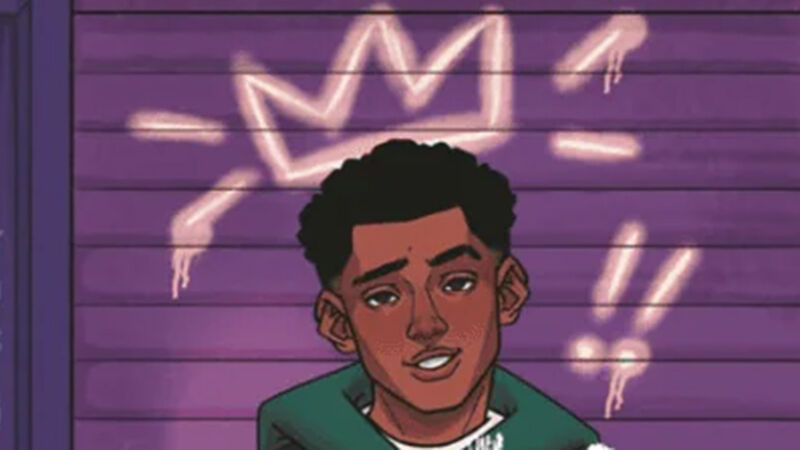
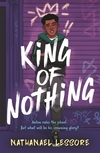
In my second book King of Nothing, I tackled this head on, through a character who had to question all he’d been taught to think manhood was. The research took its toll, as to tackle these misogynistic YouTubers head on, I took a deep dive into the snake oil they were selling.
It’s not hard to prove them wrong, but the knowledge that millions of young men and kids were buying into this was pretty disturbing. I used fiction to dispel these myths and invited teenage readers to the table of conversation.
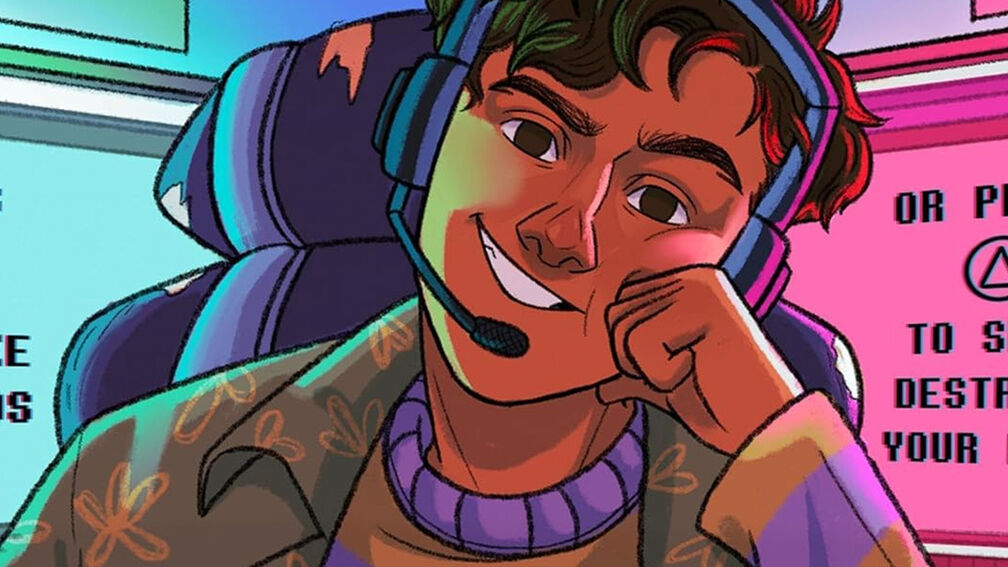
And I’ve returned to the same themes in my most recent book too, because this isn’t going away. For What Happens Online, I watched hours of videogame streamers to learn the nuances of the community. The one thing every female streamer had in common was the inevitable sexist comments or insults that popped up multiple times per video.
The authenticity of the voices in my writing means I don’t shy away from these real-world issues, and the humour in my books allows them to still be digestible without being condescending. When Fred notes that the anonymity of being online protects him from bullies, he later remarks that it also protects the trolls that make horrible comments. Having a teenage character figure this out in real time means the reader can engage and relate, rather than feel preached to and alienated.
Ultimately, fiction teaches empathy and creativity, and can be a powerful tool in the fight for a more positive masculinity.
I want my books to promote discussion, and to get the reader to think. Not necessarily to think like me, but to at least question the influences that impact identity – their identities.
Because I think young people, and young men in particular, are desperately, hopelessly searching for an identity. When being themselves doesn’t seem to be enough because that’s what social media tells them, books are the perfect antidote to dispel that myth.
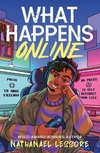
What Happens Online and King of Nothing by Nathanael Lessore are both out now.
14-year-old Fred lives a double life. In school he’s a nobody, a ghost. But online, from his gaming chair, Fred is Existor – a streamer with a massive following. Fred must balance his two personas while dealing with bullies and a tough home situation.