Marcus Tullius Cicero: ‘If you have a garden and a library, you have everything you need.’
It is easy to feel out of sorts in today’s world – alarming statistics about reading being but one challenge. Yet, in the midst of existential environmental and psychological challenges, green shoots in the form of librarians, are all around if we choose to seek them out. This National Year of Reading 2026 has put a spotlight on libraries and librarians once more.
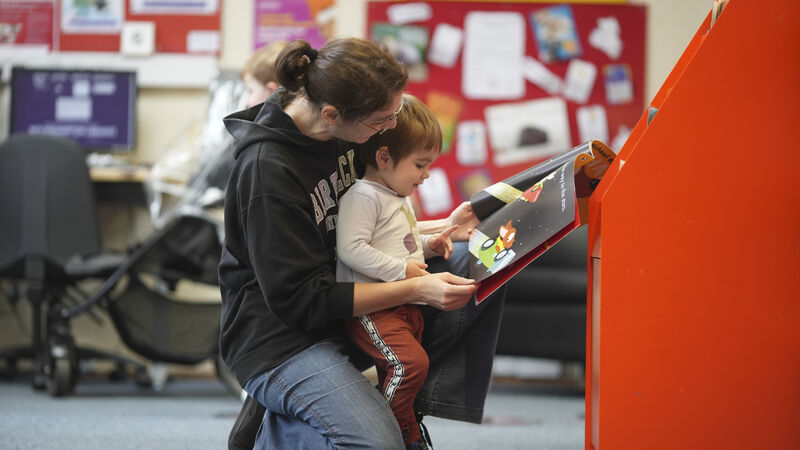
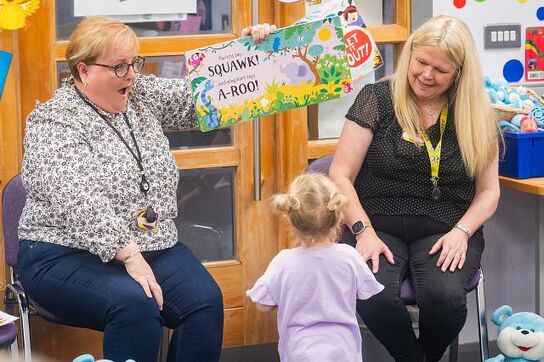
Public libraries remain one of our most cherished community resources – free, safe, accessible especially when staffed by professionals who understand the subtle alchemy of matching a child with a story. Over the years, I have seen librarians listen closely to parents and carers often overwhelmed by choices, model shared reading with story times, story trails, reading challenges and all manner of creative activities, and make targeted recommendations to hesitant or reluctant individuals. Children’s librarians are knowledgeable role models who not only have a physical presence in the local library but increasingly have creative online presences, sharing their insider knowledge with children (from the bump stage) and young people in a relevant way.
Reluctant readers can be transformed by a single recommendation – a graphic novel that unlocks confidence, a gentle early reader that builds mastery, a YA story that speaks directly to a young person’s lived experience, or discovery of a text that reflects their passion. Public librarians don’t just offer books, they offer human connection at a time when genuine human connection is rare or, at best, fleeting – green shoots quietly working, hidden in plain sight.
A professionally staffed, well-resourced school or college library can change the trajectory of a child’s education. Librarians can ignite curiosity across subjects, provide books that reflect all students, and offer welcoming and inclusive spaces where a shared love of reading is the only currency required. School librarians hold a unique blend of literary expertise and pedagogical insight. They understand how reading supports wellbeing, social harmony, language development, confidence, and creativity, and in the best environments, work closely with teachers to embed reading into the fabric of school life. They flourish when properly funded, trained, supported and valued – for green shoots, the correct soil is vital.
In further and higher education settings, librarians support a different, yet equally vital, stage of reading development. Many young people arrive at college overwhelmed by information, academic expectations, new independence, and shifting identities. In my current work in an FE library, I see daily how important and life-affirming it is to maintain volitional reading alongside academic demands. Students may rediscover reading as a source of calm, escapism, and enrichment, sometimes after years of believing books “aren’t for them.” Many students view themselves as non-readers so finding out their interests and encouraging exploration of the collection are vital. Interactive and stimulating displays, a broad range of events (competitions, open-mics, collaborations) help young adults grow into confident, curious learners.
College and University librarians teach referencing and information skills, yes, but they must also keep the joy of reading alive at a moment when many risk losing it. It takes a village to raise a child, and it takes a reading community to raise a community of readers which is why this year our library team are also targeting staff with monthly reading challenges and an ongoing online reading club, in a bid to make their reading habits more visible too. I am convinced that it is the human factor that can break through the barriers if we but dare. We must be those hardy green shoots, the weeds if you will, that will not be deterred.
Charities such as BookTrust play an essential role in ensuring that all families, especially but not only the most vulnerable, have the earliest opportunity to discover books that delight, reassure, and inspire.
In the words of BookTrust CEO, Diana Gerald: “Our relationship with libraries is vital to help us reach children who have more to gain from developing a regular reading habit, where reading has the potential to transform their life chances. We hope our books and resources continue to support library practitioners and encourage the next generation of readers to make sharing stories and visiting their local library a regular part of family life.”
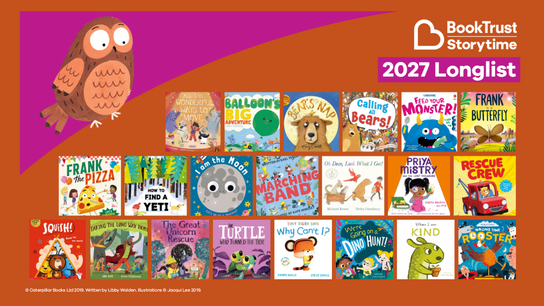
Through book gifting programmes, research, advocacy, the Storytime Prize and much more, BookTrust strengthens and widens the ecosystem in which librarians work, helping to ensure that reading is viewed as a right, not a privilege.
Finally, and close to my heart, book awards like the Carnegie Medals shine a light on the finest writing and illustration for young people. The Carnegie books are nominated and judged by librarians who read deeply, discuss thoughtfully, and consider each book carefully against considered criteria while also seeking that elusive star quality that makes a book outstanding. As Chair of Judges, I see up close the deep professional expertise that underpins every decision. The librarians in the room are inevitably at the height of their game, the sturdiest and most robust of green shoots juggling their regular careers, families and this awesome historical and nationally important role.
The Carnegies promote stories that might otherwise go unnoticed, broaden the reading landscape and champion excellence not for commercial reasons, but for the sake of young readers themselves. In doing so, they celebrate the librarians who bring these books into children’s lives.
At a time when children’s attention is fiercely contested, librarians remain as robust green shoots, steadfast champions of reading – passionate, knowledgeable, and determined. They are the people who place books into children’s hands, guide families toward unexpected discoveries, and nurture a love of reading that can shape a lifetime. Their work matters deeply – one book, one moment, one reader at a time.
This year’s Carnegie Medal winners for Writing and for Illustration will be announced in June.