Author Kristina Rahim shares how crucial it is for children to read about all kinds of families.
Image: Marina Tena
Kristina Rahim
When I look back at the books and TV shows I enjoyed most in my pre-teen years, and perhaps a bit older, they were all stories about contemporary life. Often, they took place in a school setting, following the ups and downs of children who I could relate to in some way.
I liked stories with a host of characters, all experiencing different struggles and adventures. I remember appreciating how the children in these stories may have been at a similar stage in life to me, going through similar things, but their own family situation or friendships were different to my own.
It was often this part of the story which drew me in the most. I soon realised that every family was unique.
I think reading and discovering more about these differences helps to fuel and nurture children’s natural curiosity.
The importance of stories about donor-conceived children
My wife and I have two daughters who were both donor-conceived using the same sperm donor.
As our girls have got older, more situations have cropped up when they meet new people, and they have to explain their family set-up. It was my awareness of this happening for them which inspired me to start writing for children.
It is important to get more works of fiction into the hands of children that include donor-conceived kids – and not just as secondary characters, but as the leads in their own adventures.
The HFEA (Human Fertility and Embryology Authority) issued a statement recently where they predicted that by 2030 there will be an average of one to two donor-conceived children in every English state primary school. I’m personally aware of more donor-conceived children than that in my own children’s school, so I wouldn’t be surprised if these predicted figures may be reached sooner than 2030.
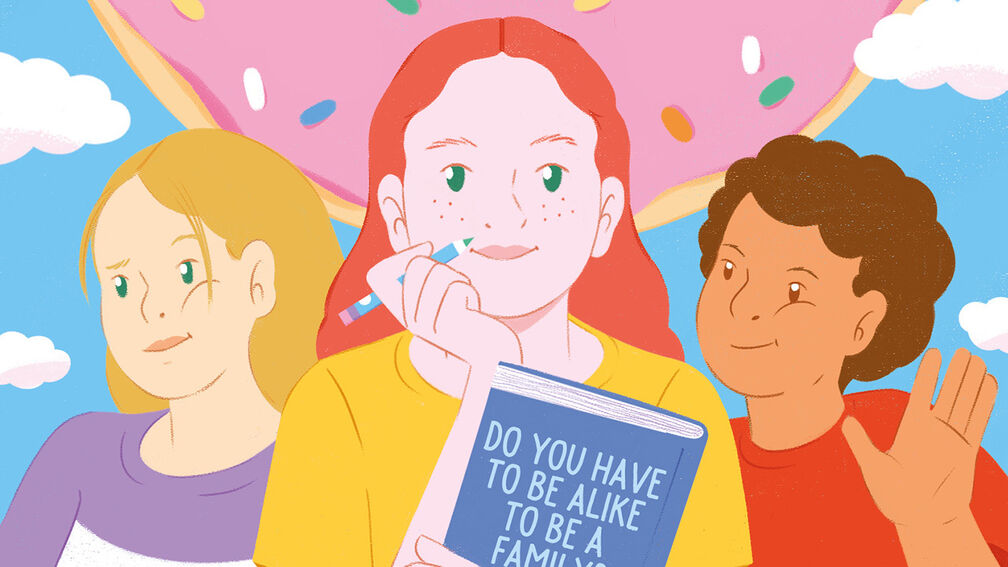
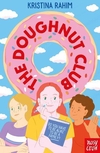
My book The Doughnut Club follows the story of donor-conceived Quinn Parker. When she and her younger brother, Olly, are told by their mums they have 16 donor siblings they never knew existed, Quinn is delighted, and wonders if one of these donor siblings could be more like her. However, in her quest to find out, she soon fears that her worst enemy could be one of these donor siblings.
In today’s world, families come in so many different forms. I believe the more opportunities children have to read books which give an insight into lives different to their own, the more inclusive the next generation will learn to be.
Book recommendations
Here are some other books I have enjoyed in recent years which are, first and foremost, fantastic stories, but also offer representation of different family set ups.
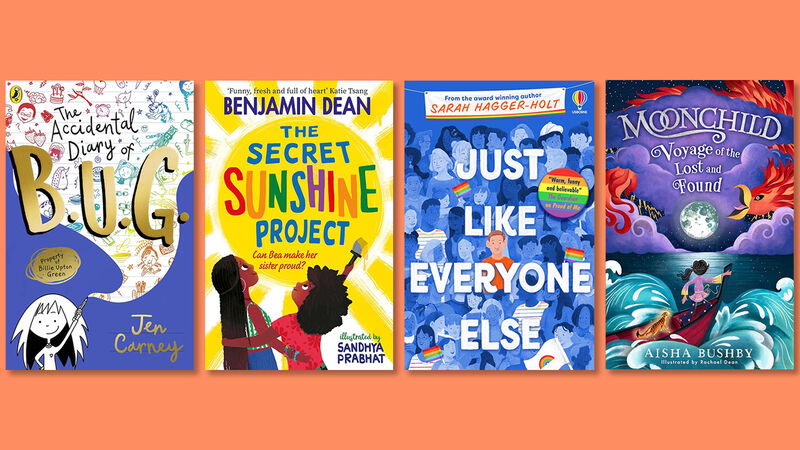
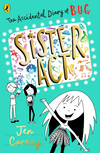
The Accidental Diary of B.U.G. by Jen Carney
The Accidental Diary of B.U.G. is one of our younger daughter’s favourite book series. Seeing the world through the eyes of Billie Upton Green (whatever you do, don’t ever call her BUG!) is pure joy. It is laugh-out-loud funny and the doodle illustrations throughout add an extra sprinkle of magic.
Billie is adopted and has two mums, but this is never made into an issue or a ‘thing’, it’s just her family. This is the kind of normalising representation we need to see more of. That, and more books which focus on the importance of biscuits!
An illustrated diary-style novel in the mode of Diary of a Wimpy Kid and Tom Gates, with a sparky narrator who perfectly captures the voice of an upper primary age girl and her thoughts about life. A sensitive and funny story.
Stardom beckons at Billie, aka B.U.G.’s school when a fancy TV company wants to make an advert about school uniforms – but can Billie be the biggest star of them all? More madcap fun from Billie and her doodle-filled diary.
Billie Upton Green is about to embark on her third accidental diary (which is cunningly disguised as a Spellings jotter so her Mums think she’s studying and not scribbling). And she has life-changing news.
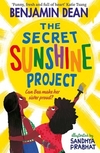
The Secret Sunshine Project by Benjamin Dean
This book has everything. Benjamin Dean tackles big topics such as grief and being proud of who you are in such a warm and joyful way.
The power of the relationship between Bea and her sister Riley is so touching, but every other character leaps off the page, sweeping you through the story.
How will a sleepy village react when Bea attempts to bring the glitter and rainbows of Pride to their doorstep?
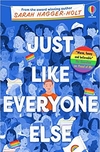
Just Like Everyone Else by Sarah Hagger-Holt
This is such a warmly told story with genuine characters you can’t help but be drawn in by. The topic of surrogacy is dealt with in such an accessible way; it’s perfect for the target age group.
It was lovely to follow Aidan on his journey as he discovers the person he truly wants to be.
A funny, thought-provoking story that challenges gender stereotypes, explores different ideas of family and acknowledges the difficulty that can be experienced by a young man coming to terms with his sexuality.
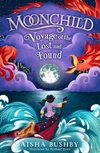
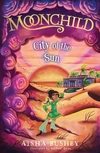
Moonchild: Voyage of the Lost and Found by Aisha Bushby
Aisha Bushby’s writing just makes me smile. She whisks you away through this beautiful, magical adventure, introducing us to a cast of vivid, original characters along the way.
It’s another story, like B.U.G., where the main character has two mums, and it’s no big deal. Apart from the fact her two mums happen to be Sea Witches, of course!
When Amira’s magical cat goes missing, she must embark on a perilous quest to save him, calm a mythical stormbird, and discover the truth about her past. Inspired by traditional Middle Eastern tales, this captivating adventure is full of magic, mystery and danger.
This exciting sequel to Moonchild: Voyage of the Lost and Found celebrates the magic of storytelling, set in a universe where moonchildren Farah and Amira have a magical animal companion, known as a jinni, who is linked to their emotions.
I believe that stories can change the world. By getting more books in front of children which reflect other family set ups, children will learn that differences should be celebrated rather than feared or misunderstood.
Life would be incredibly dull if all of us were the same.
Donor-conceived Quinn’s journey of self-discovery is part nail-biting adventure and part intriguing mystery. Written in the hope of helping to ‘demystify the world of donor conception’, her story is essentially about family, honesty, belonging and love.