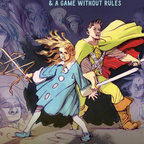
Author Fiona Dixon celebrates the storytelling power of Dungeons and Dragons.
Fiona Dixon
I’ve been playing Dungeons & Dragons for over 10 years now, and as a fantasy writer, it’s had a huge impact on me in terms of how I think about world building and developing character arcs. It’s also become a big part of my social life – a reason to get together with friends to continue our adventures!
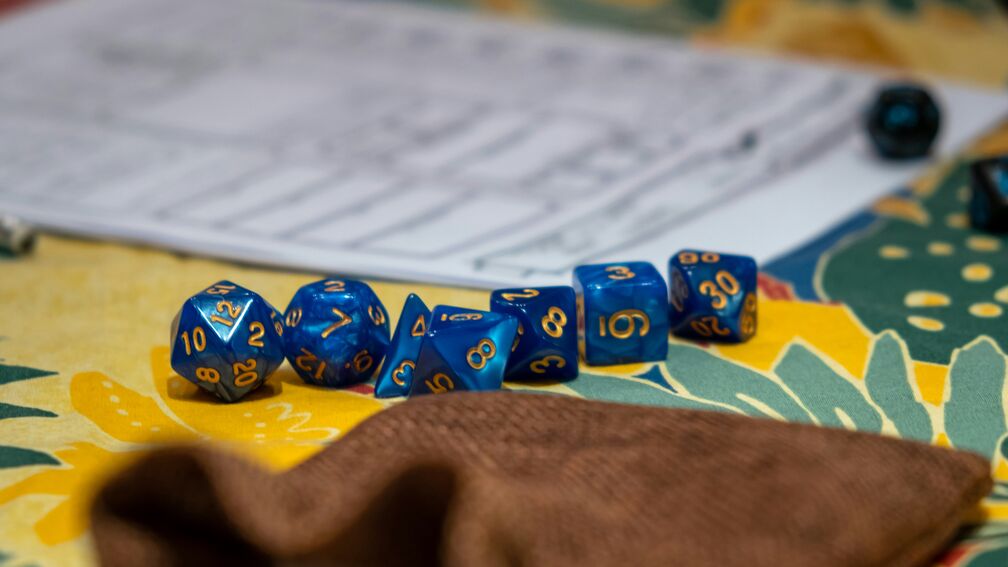
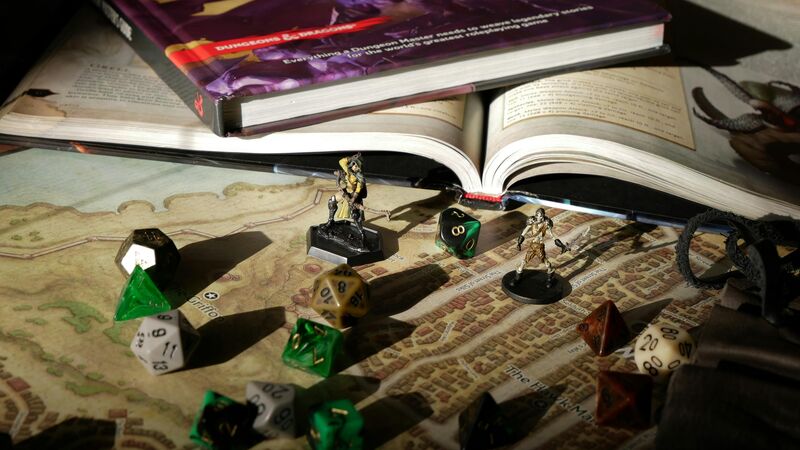
While you’ve probably heard of Dungeons & Dragons, you may not know what it actually involves. I think of it as collective storytelling – with dice! Basically, it’s a group of people sitting around a table role-playing, guided by a Dungeon Master who takes the role of storyteller or narrator and also plays the NPCs (non-player characters) you meet along the way.
Learning to walking in someone else’s shoes
Character creation is one of the most fun parts of the game. You get to decide what kind of character you want to play during the adventure (which could last a few hours, or run over several weeks or months).
You can create a character who’s similar to you – or the version of you you’d like to be – or someone who’s very different: a wise-cracking orc wizard, a kindly gnome monk or charismatic half-elf bard. It’s a chance to explore, experiment and have fun. I loved playing a firbolg (a race of gentle, nature-loving giant-like creatures) druid in a recent campaign, which tapped into my love of nature, and also gave me the ability to transform into animals!
Learning who your character is, what’s important to them and considering how they would feel, think and react in a situation (which might be very different from you) helps develop empathy, as you’re literally walking in someone else’s shoes. Seeing how others respond to your character and what they say and do also contributes to this. And while sometimes in real life we can feel scared or unable to change things, the game gives you agency – the power and the ability to stand up for what you believe in.
As an adventuring party – a group of different characters with a variety of skills, experience and talents – you also quickly learn you have to work together to succeed. Over the course of an adventure, you have the opportunity to ‘level up’ and learn new skills. Just as people grow and change, so do your characters, and in-game (as well as real-life) friendships grow.
A
Co-creating a story
The Dungeon Master starts by setting the scene, drawing the players into the world of the story, then explains the situation the characters find themselves in and invites the players to respond. For example, a dragon has been causing chaos in a village on the coast, and your party of adventurers is asked to deal with it.
Do you charge in and attack the dragon? Or do you talk to it and find out why it’s hanging around the village – and perhaps even make friends with it? Although combat can be a fun part of D&D, it’s not the only option.
The kind of questions posed during D&D games invite players to come up with creative solutions to solving problems. There’s an element of randomness too, as some outcomes are decided by a roll of the dice. Want to sneak past the guards? Roll for stealth to see if you make it. There’s generally no ‘wrong’ answer, and some of the most memorable – and often funny – moments are when you riff off each other or things happen unexpectedly which make you think on your feet.
The story that evolves reflects the players’ (and characters’) choices and responses. As a group, you often relive and retell your adventures, much like the way stories were told around the campfire. The stories that are important are the ones that we choose to tell again and again, and in this way, you can even end up crafting your own legends.
Developing a shared love of storytelling
Playing games like Dungeons & Dragons can act as a gateway to enjoying other forms of stories.
Sharing a story with a small group in a safe space is more interactive than reading, which makes it fun for reluctant or less confident readers, and easier and more engaging for some children than sitting down to write a story of their own.
But once the spark of children’s imagination is lit, it will grow, inspiring them to seek out more of what excites them or captivates their attention. Maybe they really enjoyed that encounter with the dragon last week, so they decide to pick up a book with a dragon on the cover at the library – and before they know it, they’re swept up in the story.
Or perhaps their curiosity about the monsters they’ve encountered in the game leads them to seek out more about the myths and legends that inspired them. And for kids who love the feeling of making their own choices, the now-reissued classic ‘Choose Your Own Adventure’ books offer an attractive way into reading, keeping the game-like element.
Not only does Dungeons & Dragons build children’s love for stories, it also encourages them to try new things, to take risks, and to make choices, all of which means they’re much more likely to pick up a book connected with their interests. And as shared role-playing games also help children develop social skills and self-confidence, they’re also likely to share their discoveries and new-found passions with their friends.
From playing Dungeons & Dragons to books, magazines, graphic novels (and not forgetting audiobooks), a world of adventures awaits.
Mia and the Lightcasters author Janelle McCurdy has always loved video games – and they were a big influence on her book. Here, she recommends more great reads for young gamers…
Does your teenager yearn for adventures? Do they love their films and video games chock-full of swashbuckling and quests? Then here are some books guaranteed to entertain.