Mariah Whelan is Poetry by Heart’s Poetry and Digital Content Editor.
One evening my friend Sophie messaged me at the end of her tether.
When her son was tiny, Sophie had been walking around his nursery trying to get him to go to sleep. As she walked back and forth rocking him, she racked her brains for a nursery rhyme to soothe him. She was sure she must know a million but that night her mind was blank.
All she could remember were the words to Christina Rossetti’s ‘In the Bleak Midwinter’. She whisper-sang the lyrics to him until he dozed off. A few months later, coming out of the newborn fog, she was still half-singing, half-speaking the words of the Christmas carol every night and naptime.
When she messaged me, she couldn’t do it anymore: she’d go mad if she had to sing or speak it one more time. Did I know any poems, songs and rhymes, she asked me, that she could add to their routine?
The benefits of poems and rhymes for the very young
As wonderful as Christina Rossetti is – she has some excellent poems for children that you can browse here – I had to agree that it was time to add some different poems and rhymes into their routine.
Most of us now know just how beneficial exposure to a wide variety of poems and rhymes, both spoken and sung, is for children’s development.
It helps introduce very young children to the rhythms of speech, boosting phonological awareness (sounds that make up words) and helping them learn new vocabulary.
It’s also incredibly positive for their social and emotional development, inducting them into the world of emotions and building bonds between parent and child, as well as just being really enjoyable and fun.
How to find good poems and rhymes
If you can access one, I always recommend a trip to the library for two reasons.
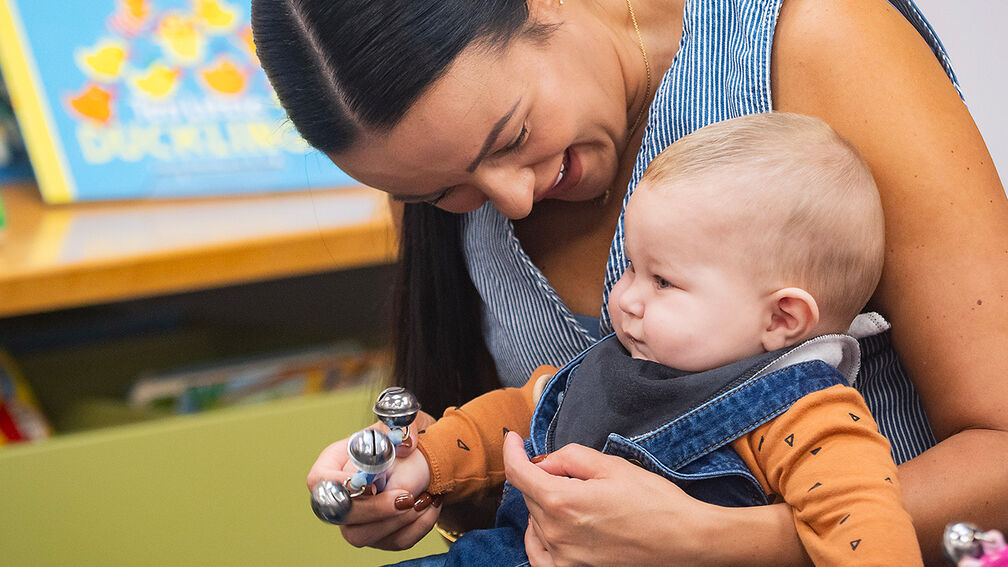
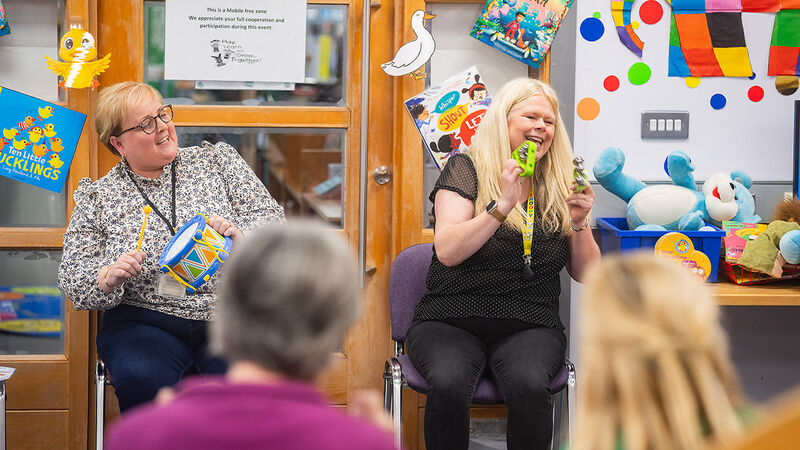
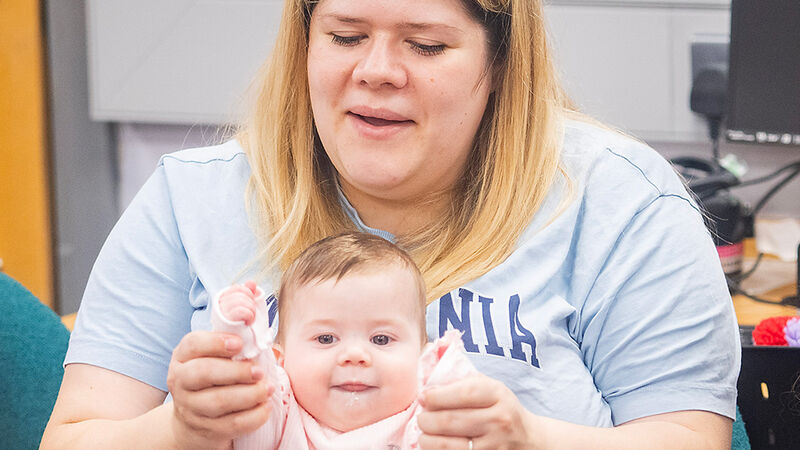
Firstly, most libraries offer a weekly Rhymetime session, a completely free 30-minute class for babies and children aged 0–5. In each session, the facilitator will share a short picture book and then lead the group in songs, rhymes and short poems. Usually there are plenty of puppets, props and shakers, too. My own daughter was 6 months old when we started going and it was a real highlight of our week.
Libraries are also a great place for discovering poetry and rhyming picture books. Ask the librarians for help and they will love offering you advice on which books will appeal to your little one and where you can find them on the shelves.
You could also look at the shortlists of prizes for children’s books, see which ones look interesting to you, and ask the librarians if they have them in stock.
The shortlists for the CLPE Poetry Award, UKLA 3–6+ Book Awards, Klaus Flugge Prize (for picture books) and English Association 4–11 Book Awards will have lots of good poetry. If you’re an educator, they often have teaching resources for shortlisted books, too. Check out BookTrust’s recommended rhyming books too.
Build a library
While it’s lovely to borrow them, building a library of beloved books full of rhymes and poems is a lovely thing to do. If you have book tokens or birthday money, head down to a good bookshop and let your little one choose a book that appeals to them.
If budgets are tight, charity shops are an excellent place to explore. As a poetry editor, I have so many brand new and stunningly illustrated poetry books on my shelves that my daughter and I have enjoyed, like A Whale of a Time (Nosy Crow) and Pick and Mix Poetry (Macmillan).
However, my daughter is just as keen to return to the battered poetry books we’ve bought for 50p from the charity shop. Why does she love them so much? I think it’s because they are her choice and choice is so important for helping children build a sense of ownership and connection with poems.
Online resources
If you, like my friend Sophie, have your hands full and almost no time, one of the easiest things to do is to explore high-quality online resources. When you can snatch a quiet moment, take a look at the BBC’s A‑Z of nursery rhymes and songs.
Have a browse, choose one or two that jump out at you (maybe ones you remember singing as a child) and have a look at the words. Then try singing or speaking it to your child later in the day. It doesn’t have to be a big deal: just try it out when you’re making dinner, sharing a snack or playing together and see what happens.
Tiny Happy People from the BBC is also an excellent resource if you want to take things further. It has a huge selection of free poems and songs, but each one is accompanied by fun activities to try out that are all backed by solid developmental research.
You could also try browsing the Poetry By Heart 4+ Timeline, a free online collection of poems and activities for the very young, developed by my colleagues and me at Poetry By Heart.
Moving beyond Christmas carols
I’m happy to report that after trying out some of the above advice, my friend Sophie and her son were happily able to expand their repertoire of songs and poems beyond Christmas carols. Once they got going, they didn’t even really need my advice. Together, over the years, they’ve built a shared collection of songs, poems and rhymes that they love.
It’s a collection of digital poems and printed books, yes. However, most importantly, it’s also become a shared repertoire of poems and rhymes that they’ve ended up learning by heart as they’ve returned to them again and again.
Mariah Whelan is Poetry by Heart’s Poetry and Digital Content Editor. She is the author of three poetry collections, including the award-winning The Love I Do to You which won the AM Heath Prize and was an Oxford Poetry Library ‘Book of the Month’.