Shared reading experiences offer a safe, non-pressurised environment in which children can explore their creativity and express their imagination.
Books to support imagination and exploration
We have chosen the following books because they encourage creativity, fun and imagination, and because they generate general enthusiasm for reading. Children and carers can both benefit by using the content in these books as prompts to spark role-play, conversations and further imaginative exploration.


How can these books support my work?
We’ve suggested the following scenarios in which the books recommended above might be used to support your work with children and families, but you can use them in any way you see fit.
Scenario 1: The child is reluctant to engage with imaginative activities like storytelling or role play.
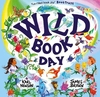
Booklist use: After reading Wild Book Day, try engaging the child in conversations about some of their favourite characters. Introduce the concept of mixing elements of their favourite stories to create imaginative, fun situations.
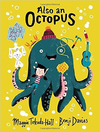
Also an Octopus is another great book for inspiring storytelling and imagination. The child may enjoy inventing their own ending to the story in collaboration with their adult reader.
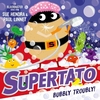
Puppets are an excellent way to encourage role-play and imaginative expression. The adult and child can use the adventures of Supertato and his vegetable friends as inspiration to create their own story scenes, using fruits and vegetables as characters.
Scenario 2: The child finds it difficult to participate in art activities or expressive play.
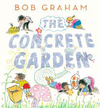
Booklist use: The adult and child could use The River as a prompt for creating new scenes. Where will the river flow next? The child can be encouraged to be inventive and to use any available art medium to make their scene. The Concrete Garden could similarly be used to encourage the child to be actively involved in expressive activities.