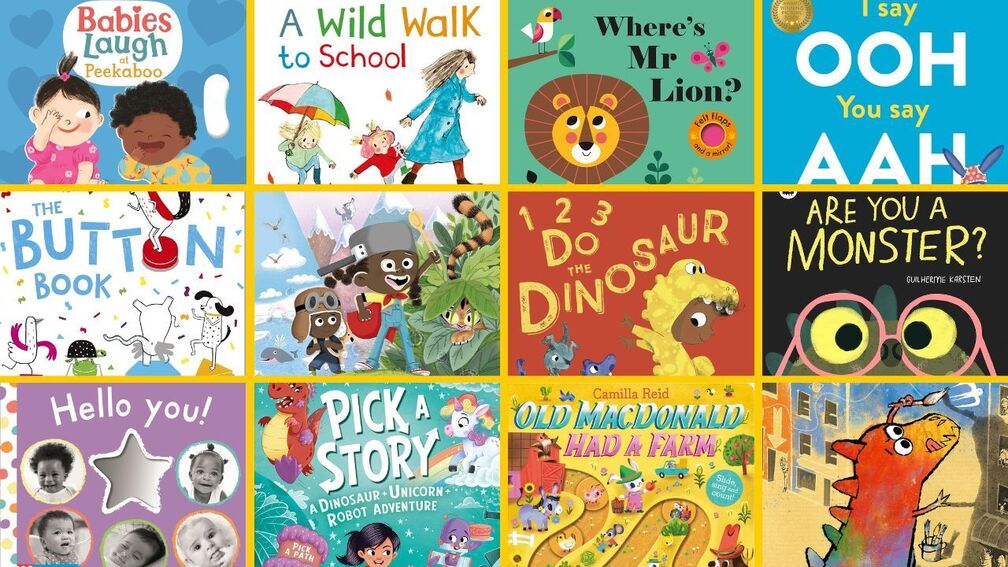
Play expert and futurist Yesim Kunter explains how to use books in play as part of children’s development.
Yesim Kunter
Play is a crucial component in the holistic development of children – physically, cognitively, emotionally, and socially. Play is the catalyst that fully engages children in their activities, and the diversity of activities gives rise to various types of play. Books have an essential role in play and thus can have a significant impact on children’s development.
There are several key play categories, for instance:
Sensory play
Social play
Active play
Object play
Symbolic play
Games
There are appropriate books for each category – and most books for babies and toddlers have fun elements that fit across more than one category.
Sensory play
Sensorial stimuli are essential for fostering exploration, curiosity, problem-solving, comparison, and creativity. They play a vital role in building nerve connections for the development of brain functions.
Look for: Tactile books with various textures, patterns, colour combinations and effects that create sound are great for exploring senses.
A sturdy board book with a rattle, introducing farm animals and their various sounds. A fun introduction to farm animals and the concept that books can be interactive like toys.
This creative picture book invites children to press a series of buttons – drawn onto the pages and powered by the reader’s imagination! – to reveal different sounds or actions. Lots of early learning experiences are packed into this imaginative tale, which is sure to become a firm favourite.
Moo!: Play-City Rattler has soothing, simple sounds and animal sounds, which are a great way to introduce children to the sensory world around them. And The Button Book invites children to sensory game play, learning cause and effect through this..
Social play
Understanding social cues, listening, expressing, communicating, and developing empathy are facilitated through various social play types, such as pretend play, role play, imaginary play, and fantasy play.
Reading books together fosters emotional bonds with the caregiver, providing a range of expressions and interactions that contribute to the development of social intelligence and cognitive abilities. Additionally, encouraging “acting out” promotes language development and expression.
Look for: 6–24 months: Books with facial expressions, gestures, simple and clear imagery, mirrors, sliders, surprise effects (lights, mirrors, peek-a-boo, hide and seek, touchy-feely flaps), toy add-ons such as puppets. 24+ months: Complex picture storytelling with roles and expressions, enhancing imagination and fantasy.
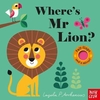
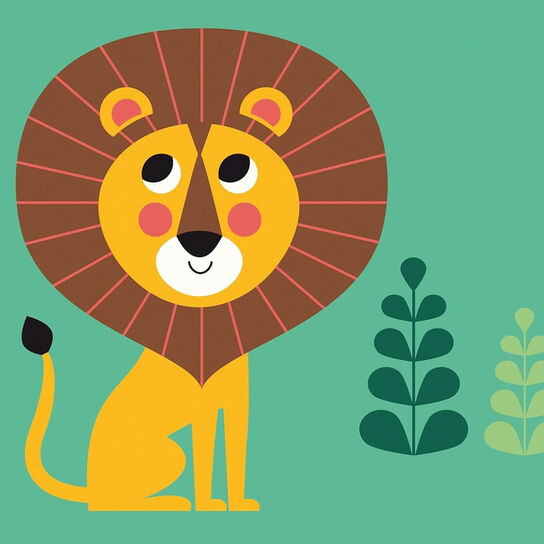
Five beautifully illustrated spreads show a series of friendly savannah animals hiding behind bright felt flaps. You’re in for a treat on the final page too.… There’s a mirror!
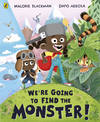
A lovely slightly fairy tale-inspired tale about a family with two younger siblings and a teenager getting ready for breakfast, featuring the wonderful storytelling and word wizardry of Malorie Blackman and the illustrations of prize-winning Dapo Adeola.
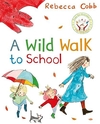
It’s time to get ready for school. Mum wants to hurry to get there on time but what she doesn’t realise is that there are giants to tip-toe around and hot molten lava to avoid. A witty tale of imagination during the school run.
For 6–24 months: Babies Laugh at Peekaboo is a good choice, because playing peekaboo is a great way to laugh and giggle for babies. Through this, the bond between the caregiver and child gets stronger. And lifting the soft flaps to find out who’s underneath in Where’s Mr Lion is fun to do together, and the mirror at the end is a lovely surprise.
For 24+ months: Children play at hunting a monster in We’re Going to Find the Monster, but the pictures show they’re in a house and garden. And in A Wild Walk to School, a simple walk turns into an adventure!
Active play
Key development areas include whole-body coordination and hand–eye coordination, fostering an understanding of one’s position in relation to the surrounding environment, self-regulation, resourcefulness, and independence (autonomy).
Look for: Books that encourage movement, such as pull and push or turn features or narratives that express movement or prompt children to find and spot things to develop hand–eye coordination and fine motor skills.
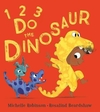
by Michelle Robinson, illustrated by Rosalind Beardshaw
2020 2 to 7 years
Picture books
Poetry and rhyme
Tom has his dino costume on and he’s ready to do a dino dance through the jungle with his friends! This is a joyous reading experience that little ones (and big ones) won’t be able to resist joining in with, and perfect for reading aloud.
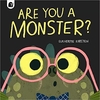
Are you a monster? No? Well, can you make a big loud noise? Oh no…! A wonderfully fun and brilliantly interactive picture book for all ages.
1,2,3 Do The Dinosaur is great for children aged 2+, as books that can make children mimic the movements are great encouragement to relate to the stories through action.
And Are You a Monster? is a good pick for children aged 4+. Books that prompt actions also create space for active play; by role-playing characters, children learn to actively mimic actions.
Symbolic play
This is all about understanding systems such as languages, patterns, music, and visual media. This type of play supports children to be able to learn technical tools to express and reflect their experiences, emotions and ideas. It is crucial in language development, abstract thinking and, as a result, literacy skills.
Look for: Bold, vivid graphics featuring alphabets, numbers, animals, and objects, coupled with engaging rhymes and fun imagery, to captivate and sustain children’s interest. Tactile elements encourage kids to touch and learn patterns. Books with matching activities are also useful.
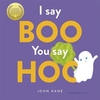
The rules are simple: if you see the colour blue, you must shout out Stinky Poo! If you see a tree, you have to shout ME! Sounds easy enough – but things get sillier and sillier in this hilarious call and response book.
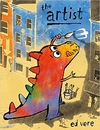
A young dinosaur artist (looking a bit like a T‑rex but a cute one) sees the dinosaur world as full of joy and beauty, something that some dinosaurs are too busy to notice. She sees all that, draws and paints it and makes it into her art.
Books like I Say OOH, You Say AHH and I Say Boo, You Say Hoo feature simple narrative play that can encourage children aged 5+ to be creative with their linguistic abilities. And The Artist is perfect for encouraging children to paint, understand patterns, and have fun with symbols.
Object play
This is one of the most important play types for children to learn about reasoning, problem solving, creative thinking and cognition. This type of play also encourages ‘private speech’ when children make comments while engrossed in their activities.
Look for: Functions such as flipping, pull-push, rotate, pop-up books, mirrors or content that encourages exploring things around us; text that mentions characteristics of objects.
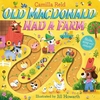
Young children will love singing along to the familiar nursery rhyme Old Macdonald while learning to count to five in this delightful, interactive board book.
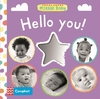
Mirror Baby: Hello You is great for babies aged 6 months+ – mirrors are great functions within books for encouraging curiosity and exploration. For children aged 2+, Old MacDonald Had a Farm has counters to move along the track, which requires concentration, problem solving, and fine motor skills.
Games / Play by rules
Games are great for developing empathy, negotiation, following instructions, taking turns, and understanding other perspectives.
Children enjoy creating their own rules, especially during the early years. Peek-a-boo, hide and seek, chasing, throwing and catching games are the simplest early forms of rule-based play. As children get older, games become more sophisticated and challenge-based.
Look for: Content provoking children’s curiosity and channeling their focus like spotting things in the pictures. Functions that create hide and seek games or encourage children to follow instructions through visuals.
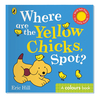
With each page themed to a different colour (yellow hay, green hedge, red gate), this simple and accessible hide-and-seek book offers subtle early learning alongside the interactivity of the flaps and the opportunity to join in with the animals sounds of the different animals Spot meets around the farm.
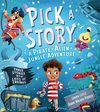
Vincent has lost his dog Trouble at the park and he needs YOUR help. With twists and turns and hilarious characters, Trouble’s fate is completely in your hands. Bringing the fun of choose-your-own-adventure stories to the world of picture books, this energetic interactive book sets up three alternative tales based around pirates, aliens and the jungle.
Where Are the Yellow Chicks, Spot? offers great sensorial game play for children aged 6–24 months. It’s ideal to make simple games and engage children to pay attention to simple clues.
Meanwhile, Pick a Story is an adventure book for ages 4+ that’s like a puzzle, following different storylines.
Books should be an essential part of any childcare setting and home, offering multiple ways for babies and children to develop through play.
Toddlers at this age are often getting better at using their hands, so they’ll love board books with flaps and trying to turn the pages. They love listening to you, so why not try out some silly animal noises and books with fun rhymes? Here are some of our favourite books for sharing with 1‑year-olds.
Two-year-olds can often follow a simple story and love joining in with lively actions or guessing what will happen on the next page. Stories are a fantastic – and fun – way to introduce toddlers to everyday activities, too. Here’s our pick of brilliant books we think they will love.
Reading doesn’t have to be a quiet, sitting-down activity; books can be a huge amount of active fun! We have collated a list of book recommendations for mixed ages that are interactive and playful.
Babies and toddlers love songs, especially those with actions. If there are pictures and books involved too, this is even better! These books feature traditional nursery rhymes, or variations on them. Enjoy sharing them together.