Caroline Hill-Trevor is Head of Book Selection and Purchasing at BookTrust
Helping children aged 7 to 11 discover a love of reading is one of the most powerful things we can do to support their learning, imagination, and confidence before they meet the pressures of secondary school.
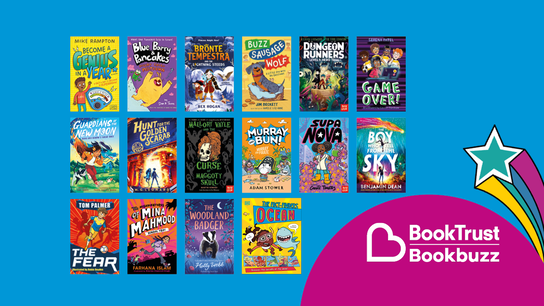
Putting together a book selection with something for every child in this age group is a complex and extensive process with consideration given to thoughtful curation — books that reflect their interests, abilities, identities, and the world around them.
At this stage, children are developing rapidly as readers. Some are devouring complex novels independently, while others are still building confidence and fluency.
The right mix of books can make the difference between reading feeling like a chore and becoming something they actively seek out, talk about, and enjoy.
Something for every reader
Children between Years 3 and 6 are just discovering and developing what they are interested in and enjoy, and their interests can vary widely from child to child… and from one week to the next! That’s why offering a broad range of genres is essential.
Some readers may like spooky stories or crime adventures and it’s important that the books give a ‘safe’ sense of fear and mystery with excitement and short chapters to encourage them along.
Contemporary real-life stories help children make sense of their own experiences and emotions, and following characters through reading further titles in a series is one of the biggest factors in establishing a reading habit for life.
All of us in the Books Team can name series that we read as children and think of now with great affection.
Stories of exploration, survival, and discovery allow children to imagine themselves in new and exciting places, whilst books with animals and environmental themes help nurture curiosity and responsibility for the natural world.
Many books will have a humorous element to them. Funny books can be helpful for less confident readers, offering fun and accessibility as they are often highly illustrated too.
These are just some examples of different types of books; of course, there are many more. By offering this variety in the selection we can be confident that there is something for every reader, wherever we meet them in their reading journey.
The importance of format
While genre matters, the way a story is presented can be just as important. Not all children engage with traditional text-heavy chapter books in the same way, especially during these formative years.
A strong selection should include a variety of formats, such as:
- Non-fiction, to satisfy personal interests and support learning across subjects
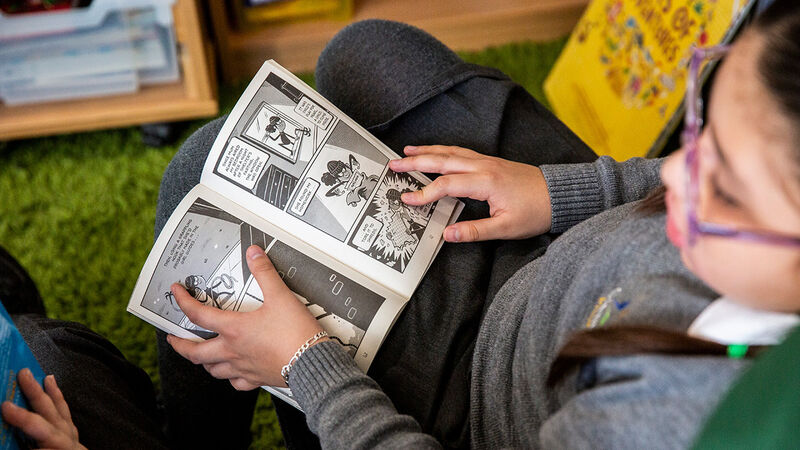
- Graphic novels, which combine text and visuals to support understanding and engagement
- Chapter books, for building stamina and narrative understanding
- Older picture books, which remain valuable well beyond the early years
- Verse and poetry, which offer rhythm, creativity, and emotional expression
- Illustrated books, both in colour and black and white, which help bring stories to life
Different formats allow children to experience enjoyment in reading in different ways.
A graphic novel might unlock reading for one child, while a beautifully illustrated non-fiction book might inspire another.
When children are free to choose books based on interest rather than expectation, they are far more likely to keep reading.
Seeing yourself and others
When children encounter a wide range of voices, authors, and characters, books become more than stories; they drive inclusion and connection. Representation and diversity should be incidental, not contrived, and at the heart of the story.
Reading plays a vital role in building empathy and understanding, helping children to appreciate views beyond their own and see into other people’s lives and experiences.
BookTrust also looks to challenge unnecessary divides, particularly around gender. Whilst some books appear to be more for boys or for girls, we try to offer a balance of both girl and boy lead characters, giving all children the opportunity to see themselves as heroes, problem-solvers, and storytellers.
Supporting every level of reader
Between the ages of 7 and 11, reading ability can vary enormously. We recognise this at BookTrust and select titles to ensure that all children can find books that suit them.
This means including:
- Advanced texts to challenge confident readers
- Middle-ability books that support steady progression
- Accessible texts for less confident readers, and children who can read but don’t want to
- Dyslexia-friendly books, with supportive layouts, fonts, and spacing
When children find books they can read, and want to read, their confidence grows, and they are more likely to continue reading.
A mix of the familiar and the new
The selection includes both familiar and new titles and authors.
Popular, well-known books can provide security of choice so children ‘know what they are getting’. These are often the titles they hear about from friends, see in shops, or come across in other media.
But through BookTrust’s expertise and knowledge of the children’s books market and through working closely with publishers, we can introduce new authors and lesser-known titles to enrich children’s reading experiences with books they might not find otherwise.
These books expand horizons, diversify reading experiences, and ensure children are not limited to a narrow choice in their ongoing reading.
Creating lifelong readers
We don’t just want to get children to read, but to help them to want to read. The selection of books aims to support confidence, spark interest, and build a positive relationship with books that can last a lifetime.
By offering a carefully considered mix of genres, formats, voices, and difficulty levels, we create a reading choice where every child can find something that resonates.
For children aged 7 to 11, the right book isn’t just something to do, it can open doors, inspire ideas, and shape how children see the world and this is why BookTrust’s book selection process is so important.