Standard page
A flexible page not tied to any specific content type, that will also include a Formie embed for forms and a HTML embed for services like Google Maps and Soundcloud

Elements available in this white ‘book frame’ container:
X‑large heading (H2)
Large heading (H3)
Medium heading (H4)
Body text can be strong for emphasis, and contain external links and internal links. Write using plain English and short sentences.
- Bulleted lists can be used to make blocks of text easier to read and break information into manageable chunks.
- Text in each bulleted list can be strong for emphasis and contain links.
- Here’s another bulleted list item.
- Numbered lists can be used instead of bulleted lists when the order of the items is relevant.
- Text in each numbered list can be strong for emphasis and contain links.
- Here’s another numbered list item.
Inset text helps users identify and understand important content on the page. They can contain paragraphs and lists. Use inset text sparingly – it’s less effective if overused.
Pull quotes are short snippets of text ‘pulled’ (repeated) from the main content – they do not have to be directly quoted speech
Blockquotes are unique content quoted from another source, such as an extract from a book.” They do not have to be directly quoted speech.
Quote attribution
Testimonials are unique, directly reported speech that is not found in the main body content, and is presented on the page as an attention-grabbing visual element.
Quote attribution, description

Statistics can use bold text to emphasise numbers and the option to choose or upload an icon.

Accordions make content easier to digest by letting users reveal more detailed information only if they need it. They can contain paragraphs and lists.
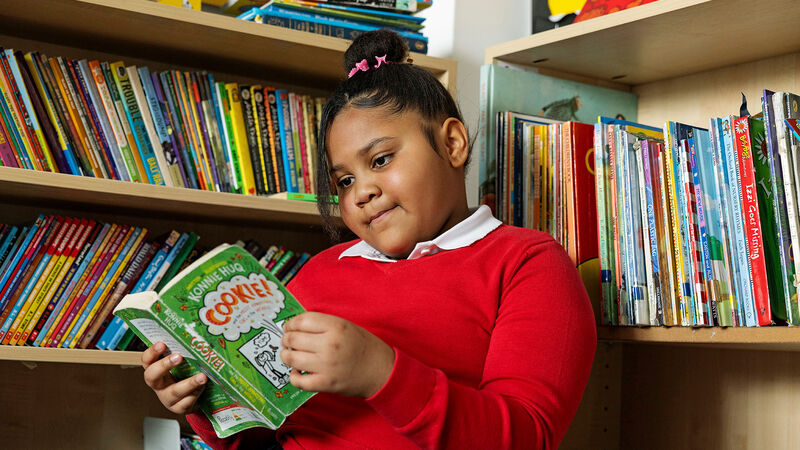
Image: Optional attribution

Role Description
People block can be used on standard pages for team members bios. If a photo is not supplied the image will fall back to an icon.
BookTrust’s lead Children’s Books Promotion and Content Editor
People block can be used on standard pages for team members bios. If a photo is not supplied the image will fall back to an icon.
Image caption is optional and used to convey additional information that is either not present or tangentially related to the picture. Image: Optional attribution
Welcome to Michael Rosen’s Storytelling Tips.
This one’s on keeping children engaged. So if you’re telling a story to one child and you can see the child’s face and the child can see you, then the crucial thing is to look at the child as often as possible.
Because if you start wandering off and glancing at your phone while you’re reading the story, then the message you’re giving them is obvious – you’re not very interested so why should they be?
And then if you’ve got two or three, or four maybe, or maybe more than that, and you’re telling stories, then you have to do what I call ‘eyeball them’, all of them at some point or another. You have to keep looking – I’ll take my glasses off – you have to keep looking at them to make sure. When you see one child maybe peeling off, you’ve got to think of something to draw them in.
If you know their name, see whether you can put them in the story… let’s say you’re telling Little Red Riding Hood and this child is called, what should we say, um, uh, Ayo, there you go, just made up a name – Ayo. So, then you’d say, “And in the forest with Little Red Riding Hood there was Ayo,” and then Ayo will look up, and you say, “Well, I think he was there, and then you can carry on you see.” So you can play all sorts of tricks to keep the children engaged.
So looking and using, identifying the child right there at that moment, yes? And also, when you’re telling a story, if you’re using gestures as often as possible to get them to imitate those, yes?
So that if you’re using a gesture – so, walking through the forest [swishing noise] – get them to join in with that, get them to join in with that, and then if you can invent those repetitions in movement but also maybe with something you’re saying, yes?
Little Red Riding Hood looked around, and there was a bird [bird whistle noise]. Little Red Riding Hood looked around, and there was a… mole [snuffling noise]. So you keep repeating… Little Red Riding Hood looked around, and there was a… river.
You see, so if you put in those little repeaty things, it gives the children something to say and do while you’re telling a story, and that’s an old tradition; it goes back to African storytelling in particular, where the repetition keeps everyone engaged and that way you make the storytelling like a community.
There, that’s my tip for keeping children engaged. So that’s it, thanks, and come back for more storytelling tips.
Welcome to Michael Rosen’s Storytelling Tips.
This one’s on keeping children engaged. So if you’re telling a story to one child and you can see the child’s face and the child can see you, then the crucial thing is to look at the child as often as possible.
Because if you start wandering off and glancing at your phone while you’re reading the story, then the message you’re giving them is obvious – you’re not very interested so why should they be?
And then if you’ve got two or three, or four maybe, or maybe more than that, and you’re telling stories, then you have to do what I call ‘eyeball them’, all of them at some point or another. You have to keep looking – I’ll take my glasses off – you have to keep looking at them to make sure. When you see one child maybe peeling off, you’ve got to think of something to draw them in.
If you know their name, see whether you can put them in the story… let’s say you’re telling Little Red Riding Hood and this child is called, what should we say, um, uh, Ayo, there you go, just made up a name – Ayo. So, then you’d say, “And in the forest with Little Red Riding Hood there was Ayo,” and then Ayo will look up, and you say, “Well, I think he was there, and then you can carry on you see.” So you can play all sorts of tricks to keep the children engaged.
So looking and using, identifying the child right there at that moment, yes? And also, when you’re telling a story, if you’re using gestures as often as possible to get them to imitate those, yes?
So that if you’re using a gesture – so, walking through the forest [swishing noise] – get them to join in with that, get them to join in with that, and then if you can invent those repetitions in movement but also maybe with something you’re saying, yes?
Little Red Riding Hood looked around, and there was a bird [bird whistle noise]. Little Red Riding Hood looked around, and there was a… mole [snuffling noise]. So you keep repeating… Little Red Riding Hood looked around, and there was a… river.
You see, so if you put in those little repeaty things, it gives the children something to say and do while you’re telling a story, and that’s an old tradition; it goes back to African storytelling in particular, where the repetition keeps everyone engaged and that way you make the storytelling like a community.
There, that’s my tip for keeping children engaged. So that’s it, thanks, and come back for more storytelling tips.

Full-width sections can be created with a background colour of grey 5, navy, or plum. The following elements are available within these sections, with recoloured variations used if appearing against navy or plum:
X‑large heading (H2)
Large heading (H3)
Medium heading (H4)
Body text can be strong for emphasis, and contain external links and internal links. Write using plain English and short sentences.
- Bulleted lists can be used to make blocks of text easier to read and break information into manageable chunks.
- Text in each bulleted list can be strong for emphasis and contain links.
- Here’s another bulleted list item.
- Numbered lists can be used instead of bulleted lists when the order of the items is relevant.
- Text in each numbered list can be strong for emphasis and contain links.
- Here’s another numbered list item.
Testimonials are unique, directly reported speech that is not found in the main body content, and is presented on the page as an attention-grabbing visual element.
Quote attribution, description
Navigation cards can be displayed in either ‘standard’ (portrait) or ‘wide’ (landscape) format, via a toggle in the navigation card block’s settings tab.
-
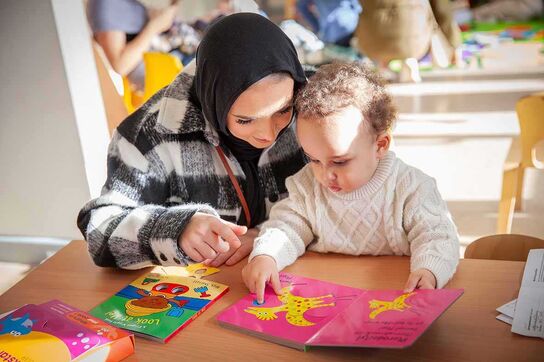
Clickable cards give users a brief summary of content with a link to more detail
-
Clickable cards give users a brief summary of content with a link to more detail
-
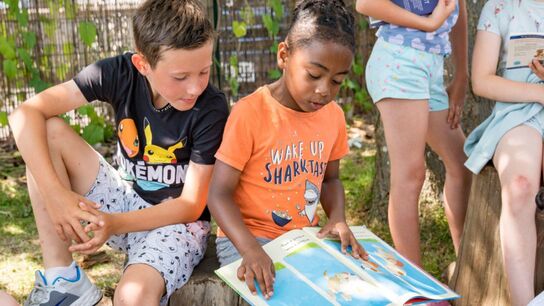
Registrations now open for BookTrust’s Letterbox Club
13 March 2025
Here’s all you need to know about the programme and how you can get involved.
-
Clickable cards give users a brief summary of content with a link to more detail
-
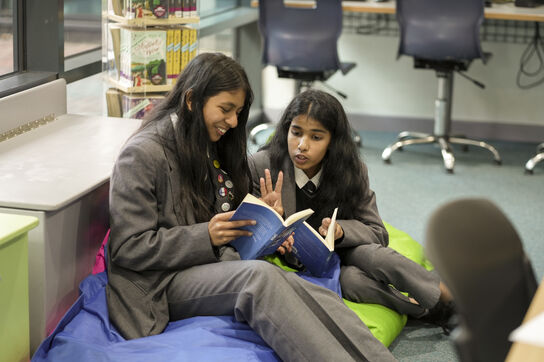
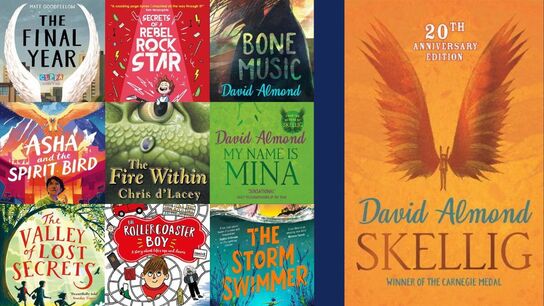
Our Bookbuzz programmes have been expertly developed to support children to develop reading for pleasure and book choice skills.
-
Clickable cards give users a brief summary of content with a link to more detail
-
Clickable cards give users a brief summary of content with a link to more detail

Large call to action (H2)
A large eye-catching block used to persuade users to perform an action, such as moving to another piece of content, signing up to an event or making a donation. Ideally should only be used once per page to make the desired action clear to users.
Call to action
Large call to action (H2)
15 Jan 2025, 9:00am to 5:00pm
The image on the block is cropped to a square format. By default it is masked by the brand ‘B heart’ shape, but in the block settings, you can switch this off if you upload a bespoke image includes the B heart and appropriate transparency. Date and time is optional.
Call to actionElements that change when used on a plum background
Testimonials are unique, directly reported speech that is not found in the main body content, and is presented on the page as an attention-grabbing visual element
Quote attribution, description
-
Clickable cards give users a brief summary of content with a link to more detail
Large call to action (H2)
18 Apr to 15 May 2025
A large eye-catching block used to persuade users to perform an action, such as moving to another piece of content, signing up to an event or making a donation. Ideally should only be used once per page to make the desired action clear to users. Date and time is optional.
Call to actionBooklists
Booklists use a wider ‘book frame’ container. The booklist navigation listings are preceded by a rich text block that will allow body text, and bulleted and numbered lists.
-
Books about change and transition
Patrice Lawrence recommends eight books that might help children going through changing circumstances
-
10 books about making a difference
Author Alex Strick shares a selection of books that inspire children to explore how we can all make a difference.
Testimonials are unique, directly reported speech that is not found in the main body content, and is presented on the page as an attention-grabbing visual element.
Quote attribution, description