Empathy: Why it matters and 7 picture books to help build it
Our Writer in Residence Tom Percival explores how picture books can support empathy – and recommends seven great stories to try.

Tom Percival is an author, illustrator, and BookTrust’s current Writer in Residence
Good morning, class! Today we’re talking about EMPATHY, one of my favourite topics, because there isn’t much in the world that doesn’t involve it to some degree.
As social animals, we’re hard-wired to tune into the feelings of those around us, and by doing that, we can all live together harmoniously.
In theory, anyway…
But even the best theories get tested. Often, it can feel like some people choose to stoke division and hate for personal gain, so it feels more important than ever to hold onto the idea that we can only truly thrive by celebrating all the wonderful ways there are to be human.
We need the thoughtful alongside the fearless, the decisive alongside the dreamers; in short, we need EVERYONE. No single person or group has all the qualities the world needs, and collaboration is always key when dealing with the challenges that face humanity.
Luckily, picture books can help! By reading about different lives and different experiences, we can introduce very young children to concepts of empathy.
I’ve put each of these books into a different empathy-boosting category, so why not read as many of these as you can and try to work out which book best fits each category?
Loss | Understanding difference | Displacement | Caring for the environment | Conflict resolution | Understanding sadness | Love and family
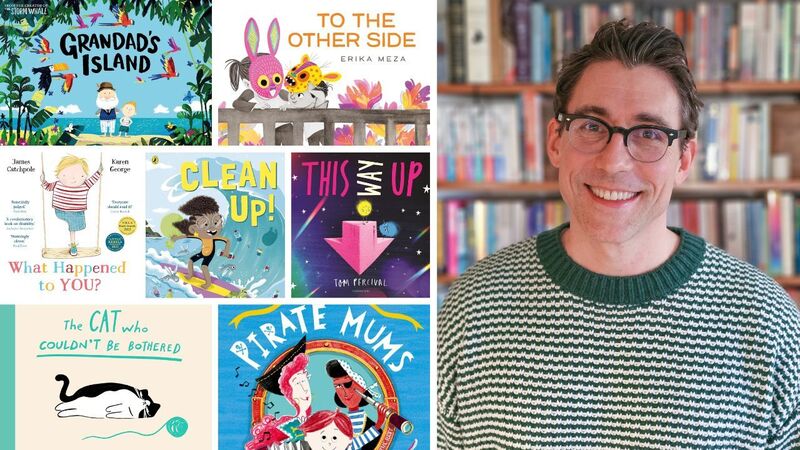
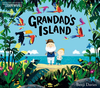
1. Grandad’s Island by Benji Davies
This is a fantastic, beautifully illustrated book packed full of joy, hope, life, love and energy.
The flight of fantasy within the story captures Syd’s deep bond with his fun-loving grandfather, while the moment where Syd has to travel home alone is powerful and deeply emotive.
Despite the fact that some readers will recognise that Grandad has died, the book ends feeling hopeful and full of joy. I’m not sure if it’s officially a modern classic, but as far as I’m concerned, it definitely is!
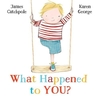
2. What Happened to You? by James Catchpole and Karen George
This is a playful story that communicates a very serious concept. Joe has one leg, which never gets in the way of his spirit of fun and adventure. What DOES get in the way are the intrusive questions from other children about what happened to him.
I love how the book models empathy by recognising that for Joe, his situation is simply normal, and as soon as the other children stop pestering him, they can all join in with his richly imagined game of pirates, sharks and crocodiles. A strong message, but also just a brilliant adventure in its own right.
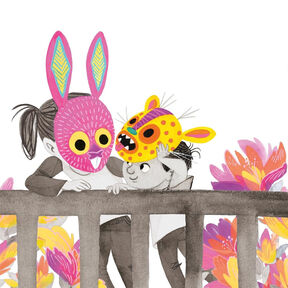
3. To the Other Side by Erika Meza
The illustrations here are absolutely stunning – stark monochrome backgrounds with beautiful watercolour washes that make the vivid, colourful masks the children wear leap off the page.
The story centres on a young boy’s dangerous journey between countries, and how his sister helps him turn this into an imaginary game, although the reader is always aware of the lurking danger in the shadows.
Ultimately uplifting, the story ends with the main character connecting with another masked child he initially misjudges. It explores displacement, fear, how we ‘other’ people, and how we can all mask parts of our identity.
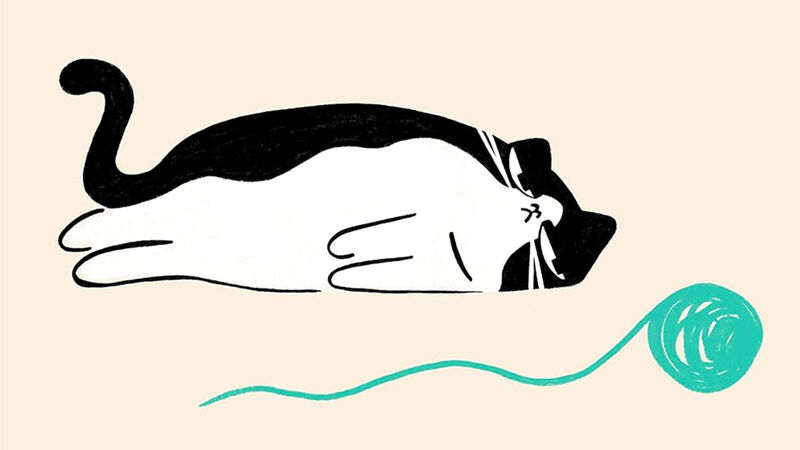
Image: Jack Kurland
4. The Cat Who Couldn’t Be Bothered by Jack Kurland
This book is everything I love in a picture book: funny, spare, beautifully illustrated, and built around a simple but recognisable truth – sometimes we ALL just feel down without really knowing why, and sometimes just knowing that people are willing to let you feel that way is all you need to start feeling better.
With repeated phrases young children will love and a wonderfully glum main character, it puts me in mind of I Want My Hat Back.
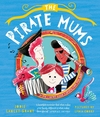
5. The Pirate Mums by Jodie Lancet-Grant and Lydia Corry
Billy’s family isn’t quite like other families. Not because he has two mums, but because they’re both pirates!
Over the course of the book, Billy grows increasingly embarrassed by their piratical antics, but when a seafaring accident means only his mums and their pet parrot Bird-Brain can save the day, he comes to see just how brave and ingenious his family really are.
I love how this book handles second-hand embarrassment and gently communicates that we need to let the people we love make their own choices. A lovely touch is that Billy’s friends don’t even seem to notice his mums are pirates, making his embarrassment entirely unnecessary.
6. Clean Up by Nathan Bryon and Dapo Adeola
A slightly different take on empathy here. Rather than tuning into other people’s feelings, we’re looking at respect for the natural world.
Rocket is a hugely engaging, intelligent, fun-loving girl who becomes aware of how much plastic litters the beach when she visits her grandparents. We follow her on a relatable journey from sadness, through anger and frustration, to hope and decisive action as she organises a mass clean-up of the beach.
The book weaves in simple environmental facts without ever feeling overwhelming, and Dapo Adeola’s warm illustrations let Rocket’s exuberance shine from every page.
7. This Way Up by Tom Percival
I know it’s bad form to include my own book, but I feel that at the heart of empathy is the awareness that we can all think and feel very differently about things — and that’s OK.
This Way Up explores differences of opinion and conflict resolution through two characters who live on different faces of a geometric world, each with a completely different (but totally justifiable) understanding of which way ‘up’ actually is. Initially neither one of them is prepared to concede anything and so their argument intensifies, but when they start to realise that they might both be able to compromise, things improve.
It’s a step away from my usual artwork style. I built a large-scale physical set for the backgrounds and photographed it rather than drawing everything, which was a wonderfully tactile process.
I hope you enjoy exploring these books, and remember, reading about how other people think and feel is one of the best ways to practise empathy yourself. Happy reading!
See our reviews of some of Tom’s picks

Writer in Residence
Find out more about our Writer in Residence Tom Percival and stay up to date with everything he’s getting up to during his time in the role.
Take a look