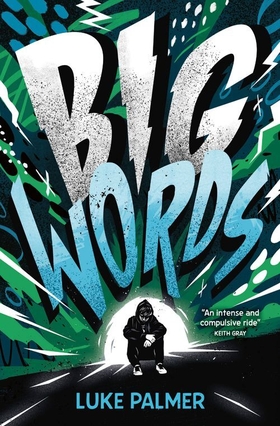
Big Words
by Luke Palmer
Interest age: 11 to 14
Reading age: 8+
Published by Barrington Stoke, 2026
About this book
Sam always gets his own way. He is the boss of his group of mates. He makes people do what he wants. He makes himself big.
So, when he invents a new game, sledging on the rusty bonnet of a rotting car, on a piece of dangerous waste ground, no one dares defy him even though they all think it’s a really bad idea.
And when things go wrong, Sam’s instinct is to cover his back, remain in control and hide the damaging truth. But has he pushed the bonds of loyalty too far this time? Can his friendships survive?
This compelling, accessible, dyslexia-friendly story of male friendship packs a huge amount into just over 100 pages.
The main focus is on perceptions of masculinity and how putting on an act can be used as a means of self-protection, but it also touches on toxic parenting and inherited or learned patterns of behaviour.
It takes a near-tragedy for Sam to realise the importance of listening and the value of feeling listened to. He also learns that courage is not about shouting the loudest; it can take great courage to make yourself vulnerable and allow others to see beneath the bravado.
More books like this
-
The Climbers
by Keith Gray
11 to 14 years
-
Blitzers: Selected for Bookbuzz Secondary 2026
by Alastair Chisholm, illustrated by Francesca Ficorelli
9 to 14 years
-
An Elephant for the Emperor
by Saviour Pirotta
9 to 14 years
-
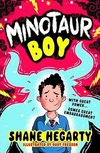
Minotaur Boy
by Shane Hegarty, illustrated by Ruby Fresson
9 to 14 years
Lists of recommended reads
-
Great Books Guide 2026-27: for 11+
Here’s a round-up of new children’s books from the last year, which we think any child aged 11+ will love
-
Books about identity for teens
Teenagers are working out who they are and what choices they want to make: in their friendships, during times of stress and change, and as they grow up. Here is a selection of brilliant books that explore these themes.
-
Suggested reading for years 7 & 8: Summer term
Here are some of our favourite books that are perfect for pupils in Years 7 and 8 to read during the Summer term.
-
Books about feelings and emotions
While books have the power to transport us to far-off lands and wild adventures, they also help us to look inward; to explore feelings and emotions in a safe, non-pressurised way. Reading about characters' experiences helps children reflect on their own feelings, develop empathy, feel represented, and be reminded that they are not alone in feeling the way that they do.