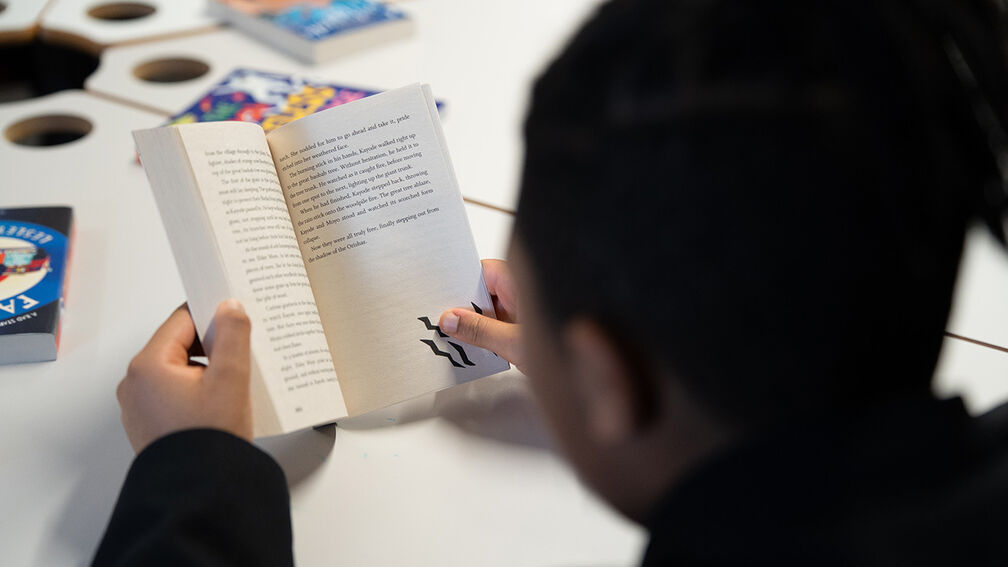
The latest Programme for International Student Assessment (PISA) results show that England and NI remain strong international performers in reading, scoring above the OECD average, with a more complex picture in Wales.
However, reading capability is only one part of the picture. Being able to read does not mean every child will choose to read, keep reading, or engage deeply with books and other texts.
Sustained reading supports not only attainment, but also vocabulary, critical thinking, confidence, empathy, wellbeing, and the ability to evaluate information. These are vital skills that matter more than ever in an increasingly complex world and amid the rise of AI.
That is why these results should be seen as a platform to build on. Every child should have not only the skills they need to read but also the opportunity, encouragement and motivation to develop a lifelong reading habit and experience the wider benefits that reading can bring, as demonstrated through BookTrust’s work and evidence on the wider benefits of reading.
We must also ensure strong national averages do not obscure the experiences of children who face the greatest barriers to reading. Around one in five pupils in England perform below Level 2 in PISA reading, and on average disadvantaged pupils continue to perform below their more advantaged peers.
These gaps sit within a wider picture of educational inequality, with disadvantage evident from the earliest years and widening through childhood. If we are serious about getting children reading, the right to read must extend to every child.